Gear / Preparedness / Medical
What's in an IFAK?
The bleeding-control kit to carry on you, at the range, and in the car, and where to get each piece.
What's in a typical IFAK
The 8 Essentials
-
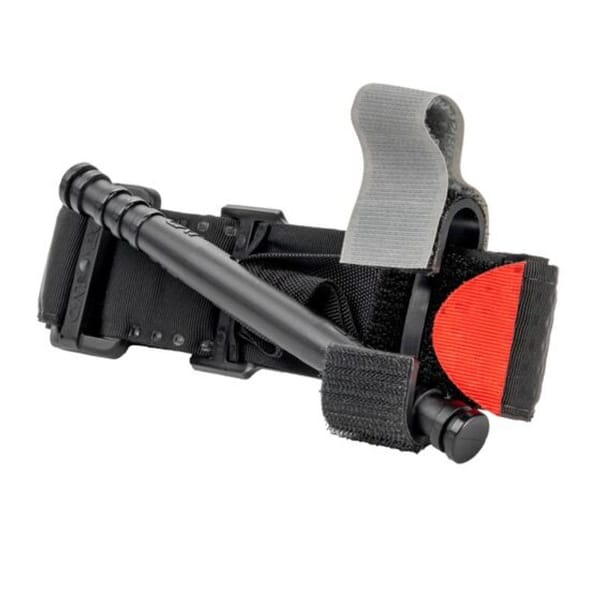
01Tourniquet
Stops life-threatening bleeding from an arm or leg. The U.S. Army has issued the C-A-T since 2005.
-
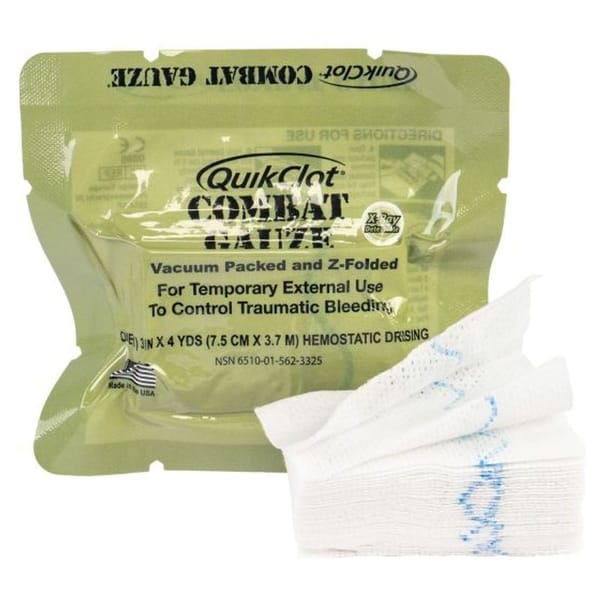
02Hemostatic gauze
Speeds clotting when you pack a wound a tourniquet can't reach.
-
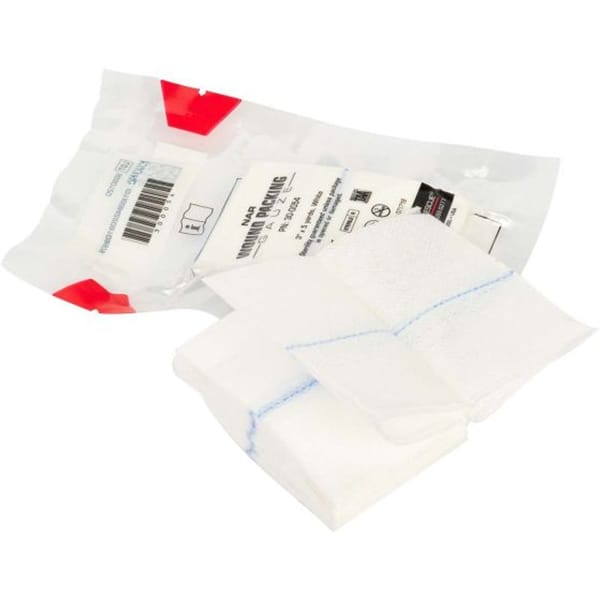
-
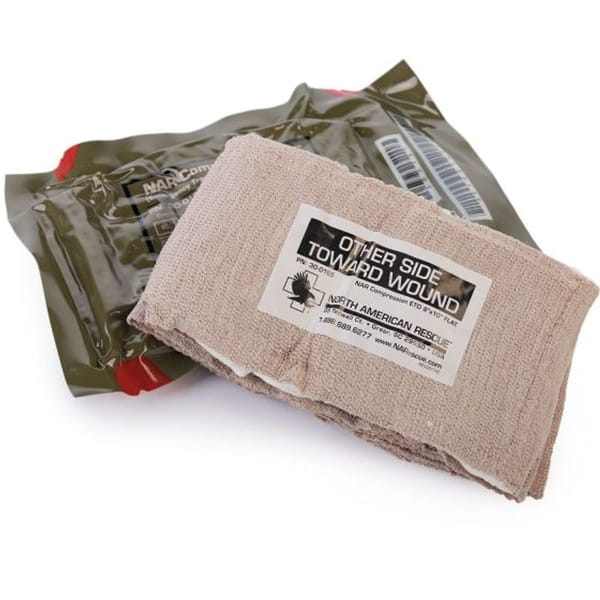
04Pressure dressing
Holds pressure on a packed wound. Doubles as a sling or splint tie.
-
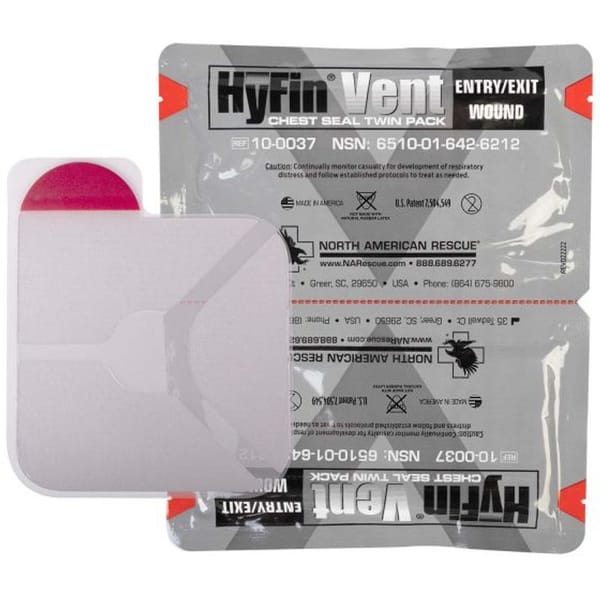
05Chest seals
Vented seals for a penetrating chest wound, one for entry and one for exit.
-
-
-
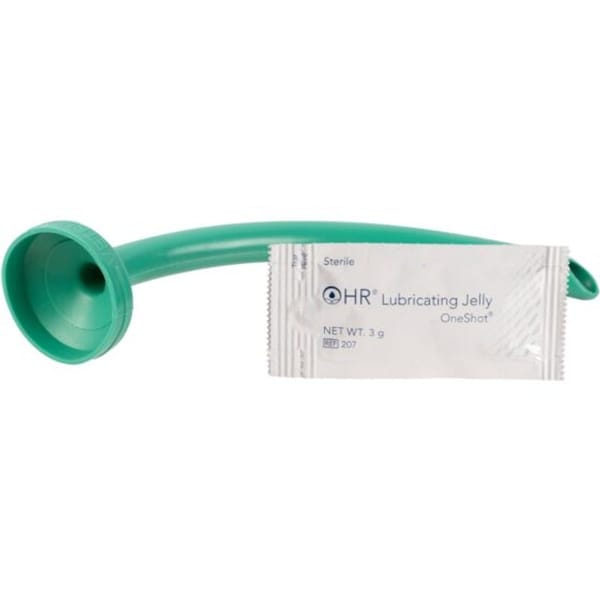
08Airway (NPA)
Keeps an unconscious person's airway open. Only carry it if you're trained to use it.
Also carry
- Marker Write the tourniquet time on the strap.
- Emergency blanket Blood loss drops body heat, even in summer.
- A pouch you can reach On your belt or bag, reachable with either hand.
- Spare tourniquet Staged in the car or range bag.
Based on the American College of Surgeons Stop the Bleed kit and the CoTCCC recommended devices list. Product links go to North American Rescue.
Or grab one ready-made
Ready-Made Kits
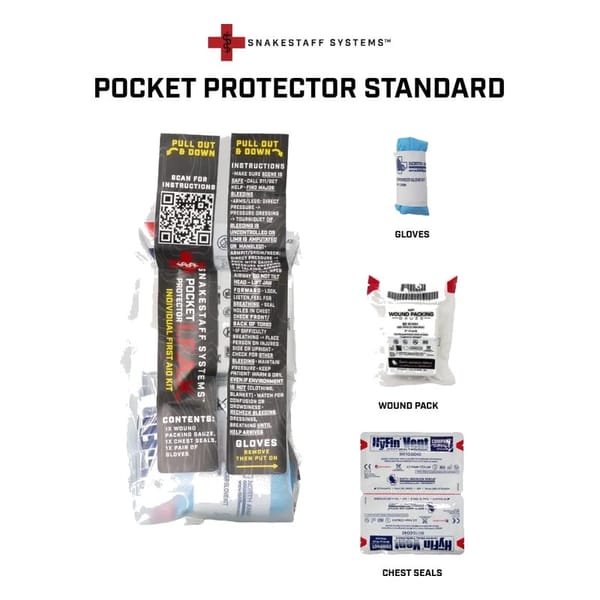
Snakestaff Systems
Next-Generation IFAK
Pull-tab bleeding-control kit with QR-linked instructions.
View Product →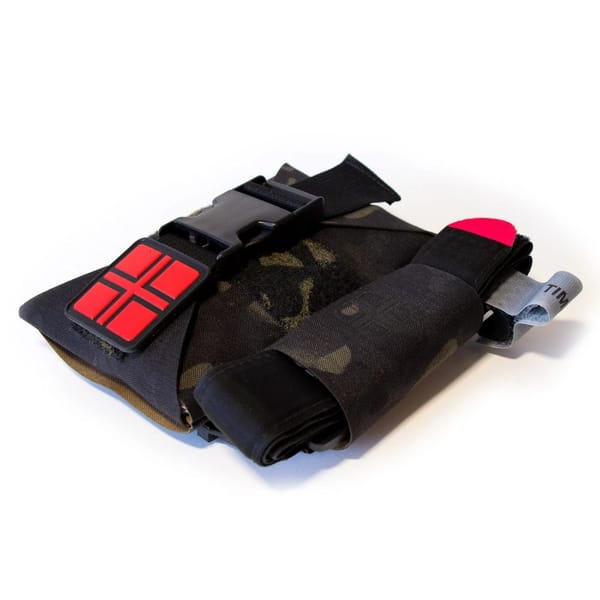
LT Creed
Responder IFAK
Belt or MOLLE pouch with tourniquet, gauze, chest seal, airway, shears, and gloves.
View Product →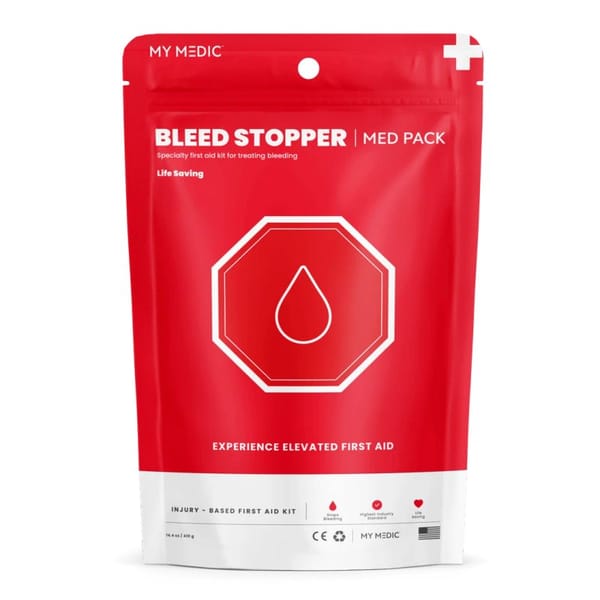
MyMedic
Bleed Stopper
Grab-and-go kit with a tourniquet, hemostatic dressing, gauze, and pressure bandage.
View Product →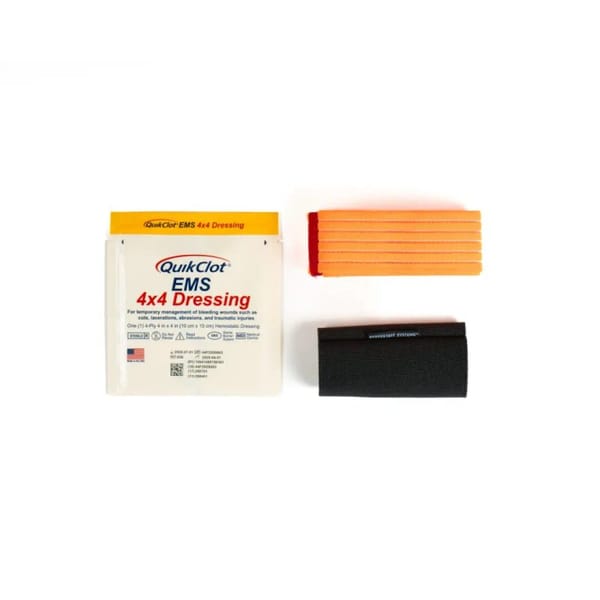
Snakestaff Systems
Pressure Pak
Compact trauma pack that pairs with, or stands in for, a full IFAK.
View Product →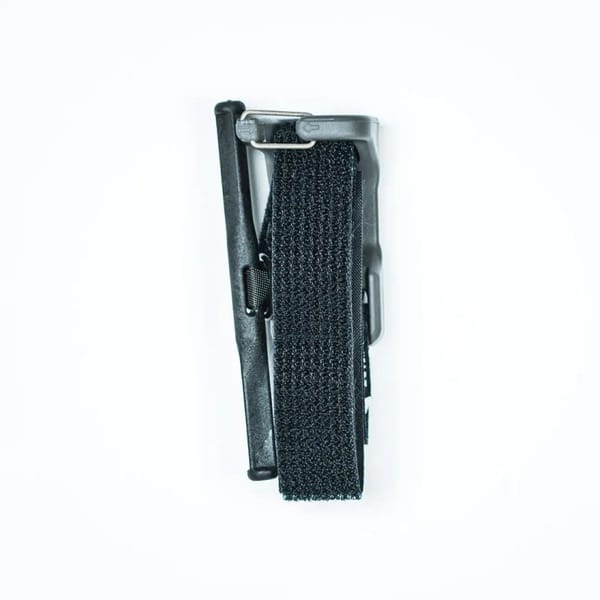
Snakestaff Systems
ETQ Gen 2 Tourniquet
Pocket-size windlass tourniquet for everyday carry.
View Product →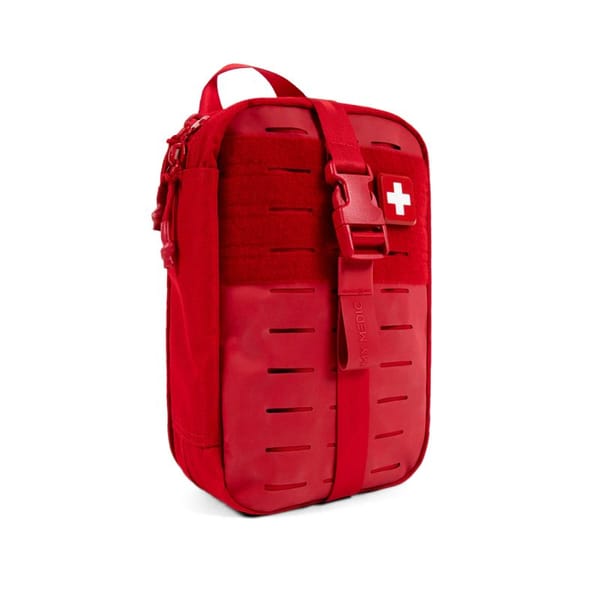
MyMedic
MyFAK
Full first aid kit for home, vehicle, or backcountry. MOLLE-mountable.
View Product →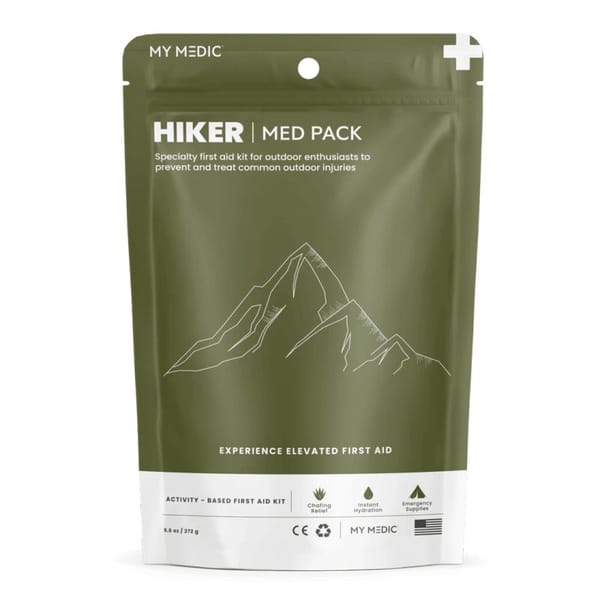
MyMedic
Hiker Medic
Trail kit for blisters, minor wounds, dehydration, and exposure.
View Product →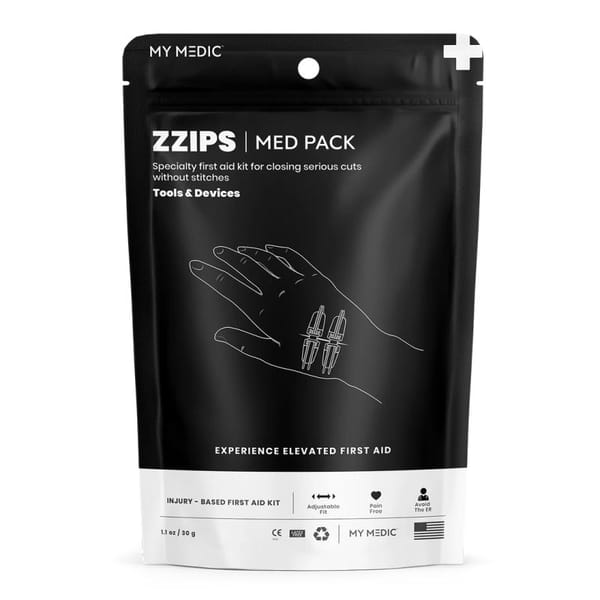
MyMedic
ZZIPS
Wound-closure kit that stands in for stitches, with gauze and gloves.
View Product →Train With It
Gear without training is just dead weight.
Iron Rescue's one-day TECC course (Tactical Emergency Casualty Care) teaches everyday people to stop bleeding, manage airway and chest injuries, and move a casualty. No medical background needed, with certification. Taught in Utah.
Common Questions
What goes in an IFAK?
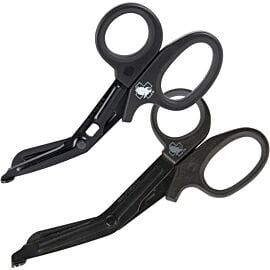
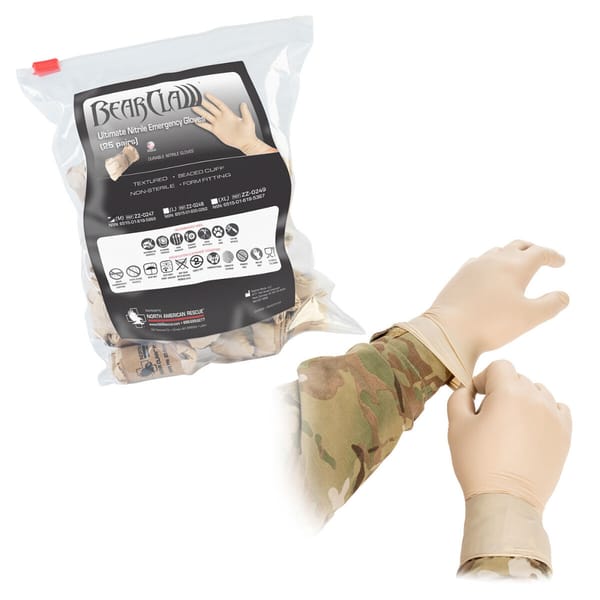
An IFAK (individual first aid kit) is built to stop life-threatening bleeding until help arrives. The core is a tourniquet, hemostatic or compressed gauze for packing wounds, a pressure bandage, a pair of vented chest seals, trauma shears, nitrile gloves, a marker to record tourniquet time, and an emergency blanket. That list follows the American College of Surgeons Stop the Bleed kit and the military TCCC standard. Carry it where you can reach it with either hand, and keep a spare tourniquet in the car or range bag.
Where should I buy a tourniquet?
Buy directly from the manufacturer or an authorized dealer, and stick to a model the Committee on Tactical Combat Casualty Care (CoTCCC) recommends, such as the C-A-T Gen 7 or SOFTT-W. Cheap knockoff tourniquets are common online and can break or slip when you crank them down, which is the one moment it cannot fail.
Do I need training to use an IFAK?
Yes. A kit you have never practiced with is slow under stress. A Stop the Bleed class takes 1 to 2 hours and teaches the three skills that matter most: applying pressure, packing a wound, and applying a tourniquet. Iron Rescue teaches Stop the Bleed and TCCC classes in Utah. Items like a nasopharyngeal airway (NPA) should only be carried if you have been trained to use them.
Have Something to Add?
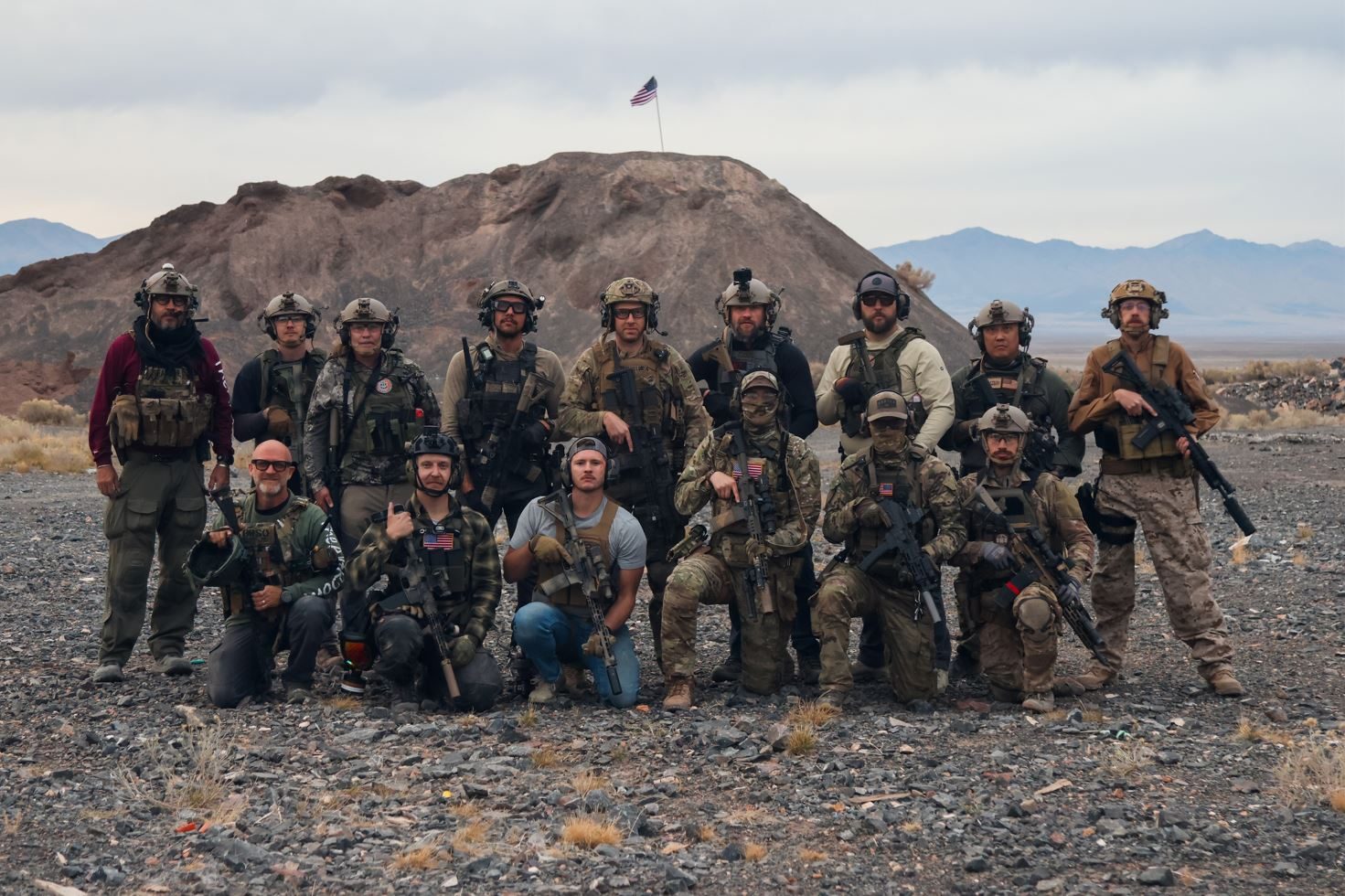
If you're a client or instructor with resources worth sharing here, reach out.
Get in Touch