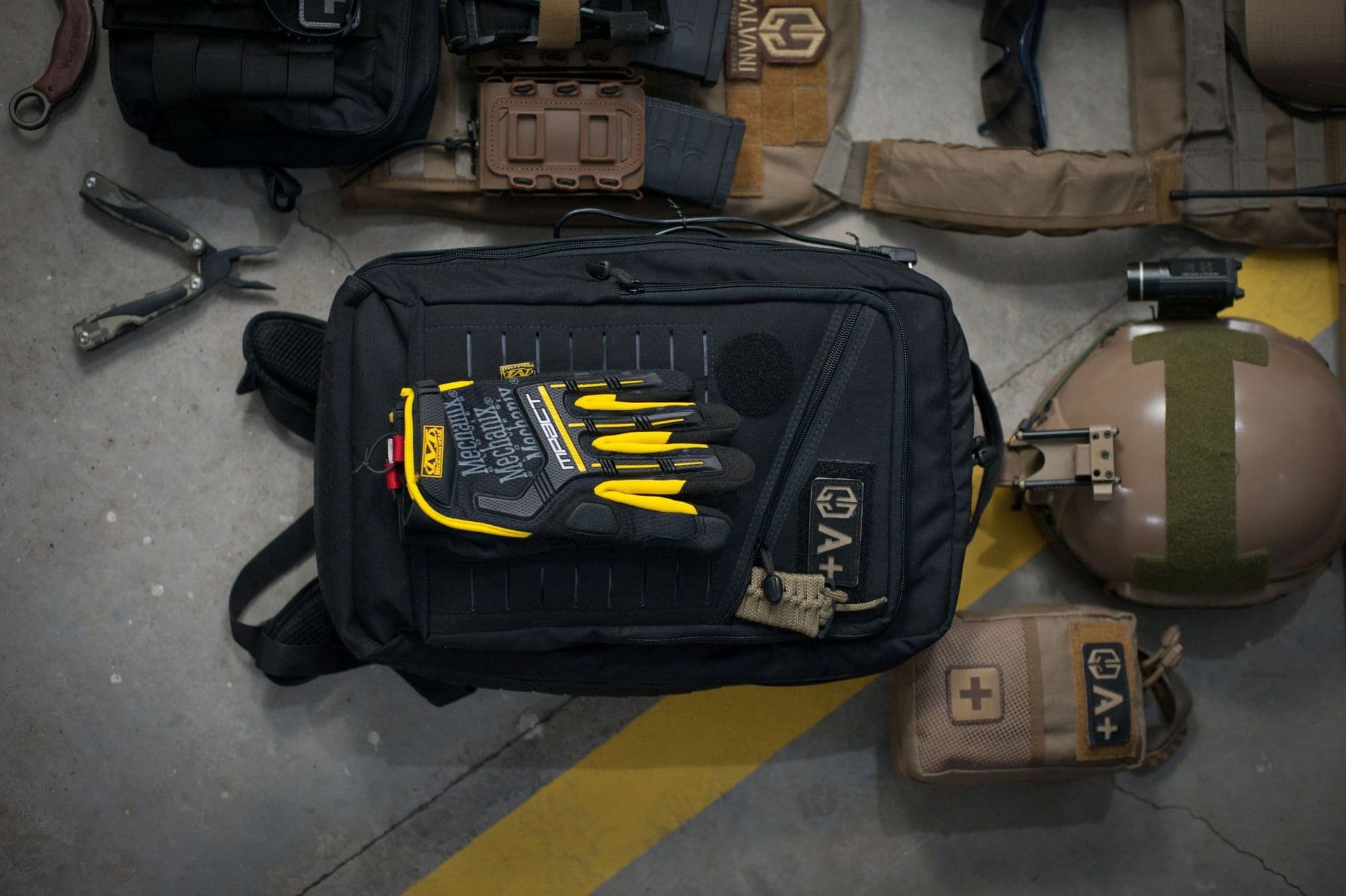
Resources / Preparedness / Get-Home Bag Essentials
Get-Home Bag Essentials
What belongs in the bag that gets you from wherever you are back to your family.
The Rundown
A get-home bag isn't a bug-out bag, it's built around one job: getting you from wherever you are back to your family on foot. Start with water and snacks staged in every vehicle, then build up to a dedicated bag with navigation, a footwear change, communications, fire-starting gear, shelter, and cash. A full build runs about $220-300 per adult, spread out it's closer to twenty dollars a month. From there it's about every adult having their own bag, checked each season, and a route that's actually been walked once instead of only looked at on a map.
Target, time, and cost figures below are planning estimates, not guarantees. They'll vary by household size, region, and what you already have on hand.
Jump to a Step
Stage a Basic Bag With Water and Snacks in Every Vehicle
1 basic bag per vehicle
Build a Dedicated GHB With Water, Food, and First Aid
1 dedicated get-home bag per adult
Add Navigation Tools: Map and Compass
1 map and compass per GHB
Add a Footwear and Clothing Change
1 footwear and clothing change per GHB
Add Communications and Fire-Starting Gear
1 handheld radio and fire kit per GHB
Add Emergency Shelter and Cash Reserve
1 emergency shelter and cash reserve per GHB
Build a Full GHB for Every Adult in the Household
1 full get-home bag per adult
Update Seasonally and Walk Your Route Home
Each GHB checked and route walked, per adult
Stage a Basic Bag With Water and Snacks in Every Vehicle

This is the floor, not the finished product: a few bottles of water and some shelf-stable snacks in every vehicle so you're never starting from zero if plans change.
Do This
- Toss a few bottles of water (a pack runs about $5) in each vehicle.
- Add shelf-stable snacks: granola bars, nuts, or jerky (~$8).
- Check both every few months, water and food both degrade faster in a hot trunk.
- Do this for every vehicle today, before building anything more elaborate.
Build a Dedicated GHB With Water, Food, and First Aid

This is where the basic bag becomes a real bag: a proper pack built around actually walking home, not just riding out a short delay in the car.
Do This
- Get a real backpack ($30-40), not a gym bag, something built to carry weight comfortably for miles.
- Add a water filter or purification tablets ($20-25) sized for a realistic walking distance home.
- Pack calorie-dense food that doesn't need cooking ($15-20).
- Include a compact first aid kit ($20-25) with basics for blisters, cuts, and minor injuries.
Add Navigation Tools: Map and Compass

Phones die, networks go down, and GPS isn't guaranteed. A paper map of your area and a basic compass don't need either one, and they don't need charging.
Do This
- Buy a simple baseplate compass ($10-15), you don't need a military-grade model.
- Get a printed or laminated local map ($10-15) that covers your work-to-home route and a backup.
- Mark your most likely routes home directly on the map before you need it.
- Learn basic map and compass navigation now, not for the first time under pressure.
Add a Footwear and Clothing Change

The shoes you wore to the office aren't built for a long walk home. A broken-in pair of walking shoes and a weather-appropriate layer are what actually make the distance manageable.
Do This
- Pack a spare pair of broken-in socks and, if you can spare them, walking shoes ($40-60 combined if buying new).
- Add a weather layer for the worst conditions your area sees, even outside the current season.
- Include gloves and a hat, both pack small and matter more than people expect.
- Rotate the clothing change with the seasons, don't leave summer gear in for a winter walk.
Add Communications and Fire-Starting Gear

A way to reach people and a way to stay warm cover two very different failure points, and both fit in a side pocket.
Do This
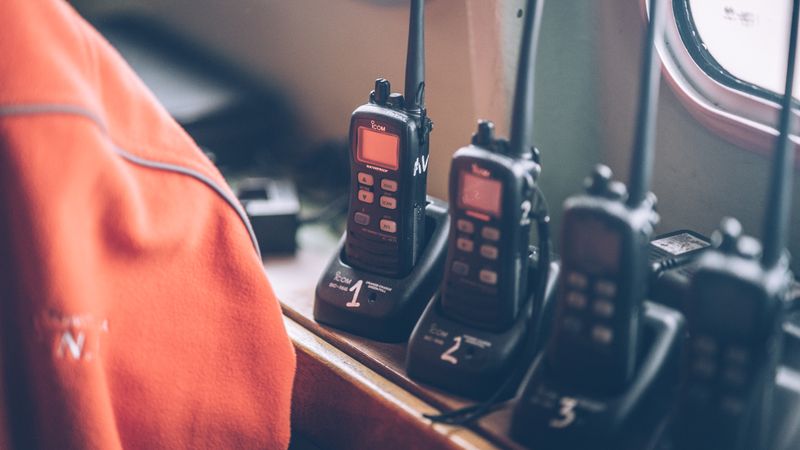
- Add a basic handheld radio, a Baofeng UV-5R or similar runs about $25-35.
- Pack a ferro rod ($10) as a backup fire source that works wet.
- Include a lighter and a small amount of dry tinder or fire starter ($5-8).
- See our Communications guide for how the radio fits into a household-wide plan.
Add Emergency Shelter and Cash Reserve

If the walk home takes longer than planned, or the weather turns, a compact shelter and some cash cover two gaps nothing else in the bag does.
Do This
- Pack an emergency mylar blanket ($5-8) or a compact bivy sack ($20-25) for unplanned overnight exposure.
- Tuck cash in small bills ($40-60) into the bag, card systems and ATMs aren't guaranteed to work.
- Split the cash between two spots in the bag rather than one single stash.
- Check the shelter item periodically, mylar blankets tear easily and sometimes need replacing.
Cash in Small Bills, Specifically
A single large bill is hard to use when registers are down or change is scarce. Twenties, tens, and fives get you further than a couple of hundred-dollar bills when the systems around you aren't working normally.
Build a Full GHB for Every Adult in the Household

One finished bag is a good start. Every adult in the household having their own means nobody is stuck relying on someone else's gear if you're not together when it matters.
Do This
- Repeat stages two through six for each adult in the household.
- Personalize each bag to that person's size, fitness, and specific needs, don't just duplicate one build.
- Keep each bag with or near the person it belongs to, not all stored in one place.
- Walk through the contents of each bag together so everyone knows what they're carrying.
Update Seasonally and Walk Your Route Home

A bag packed once and never checked again quietly goes stale. This is the step that keeps it actually usable, and confirms the route in it works on foot, not just on a map.
Do This
- Check each bag every season: swap clothing layers, replace expired food, and check batteries.
- Confirm water and first aid supplies haven't degraded or expired.
- Physically walk your most likely route home at least once, at a normal pace, in normal shoes.
- Update the map and notes in the bag with anything you learned on that walk.
You don't need to buy everything at once, and most households build this out over months, not a weekend. The goal is a bag you'd actually trust to get you home, not a pile of gear that's never been checked.
Common Questions
What's the difference between a get home bag and a bug out bag?
A bug out bag is built to leave home and survive somewhere else. A get home bag has one job: getting you from work, the road, or wherever you are back to your family on foot. It's lighter, cheaper, and usually lives in your vehicle.
What goes in a get home bag?
Water and snacks, a basic first aid kit, a paper map and compass, a change of footwear and clothes, a way to communicate, fire-starting gear, emergency shelter, and some cash. Update it seasonally.
How much does a get home bag cost?
A full build runs about $220–300 per adult. Built in stages, starting with water and snacks in every vehicle, it's closer to twenty dollars a month.


Have Something to Add?
If you're a client or instructor with resources worth sharing here, reach out.
Get in Touch