Resources / Preparedness / Hygiene & Sanitation
Emergency Hygiene & Sanitation
The unglamorous readiness category that prevents the next emergency from being a health one.
The Rundown
Hygiene gets skipped in most readiness plans because it isn't exciting, and that's exactly why it causes problems. Start with an honest inventory, build to a 2-4 week base of soap and TP, then round out every household-specific need (feminine products, diapers, vitamins) at the 6-week mark. From there it's iodine, bulk sanitizer, and a real waste disposal plan on the way to a full 2 months, then a grid-down toilet solution and 3 months of supplies with the plan actually tested. None of it costs much per item; it's the volume and the plan that take work.
Target, time, and cost figures below are planning estimates, not guarantees. They'll vary by household size, region, and what you already have on hand.
Jump to a Step
Take Inventory of What You Already Have
Know your on-hand days
Build a Two-to-Four-Week Hygiene Base
2–4 weeks of soap, TP, and basics per person
Extend to Six Weeks and Cover Every Household Member
4–6 weeks, all household-specific needs included
Add Iodine and Bulk Hand Sanitizer
2 months of supplies, plus iodine and bulk sanitizer
Build a Waste Disposal Plan
A written plan for trash and waste with no pickup
Round Out a Full Two-Month Reserve
2 full months, every category covered
Build a Grid-Down Sanitation Kit
A working toilet solution with no plumbing
Practice Your Off-Grid Sanitation Plan
Full 3 months, plan tested at least once
Take Inventory of What You Already Have

Most households have less hygiene backup than they think. Check what's actually on the shelf beyond the bathroom now: soap, toilet paper, toothpaste, and anything household-specific like feminine products or diapers.
Do This
- Walk through every bathroom and the linen closet and list what you have, with rough quantities.
- Note anything household-specific: diapers, feminine products, contact lens supplies, prescriptions.
- Estimate how many days your current stock would actually cover if you couldn’t restock.
- Set aside one dedicated bin or shelf, separate from what gets used day to day.
Build a Two-to-Four-Week Hygiene Base

This is the first real milestone: enough soap, toilet paper, toothpaste, and deodorant to get through a bad month without a store run.
Do This
- Add a backup supply of the basics you already use: bar or liquid soap, toilet paper, toothpaste, deodorant.
- Buy in the sizes and brands your household already likes, not whatever is cheapest and unfamiliar.
- Store it somewhere dry and out of direct sunlight, away from everyday stock.
- Write down what you bought and when, so rotation has a starting point.
Extend to Six Weeks and Cover Every Household Member

A reserve that only covers one person in the house isn't a household reserve. This stage is about making sure nobody gets left out.
Do This
- Add feminine hygiene products, diapers, and any age-specific items for every household member.
- Add a basic vitamin supply, since a longer stretch on shelf-stable food can mean a thinner diet.
- Add contact lens solution, razors, or anything else someone in the house uses weekly.
- Extend your basics from stage 2 out to a 4–6 week target for everyone, not just the average adult.
Don’t Guess on Household-Specific Items
Generic hygiene lists skip the items that actually matter most to a given household. A parent of an infant needs diapers and wipes far more urgently than extra shampoo. Build your list from what your household actually uses in a normal month, then multiply it out, instead of copying a stranger’s checklist.
Add Iodine and Bulk Hand Sanitizer

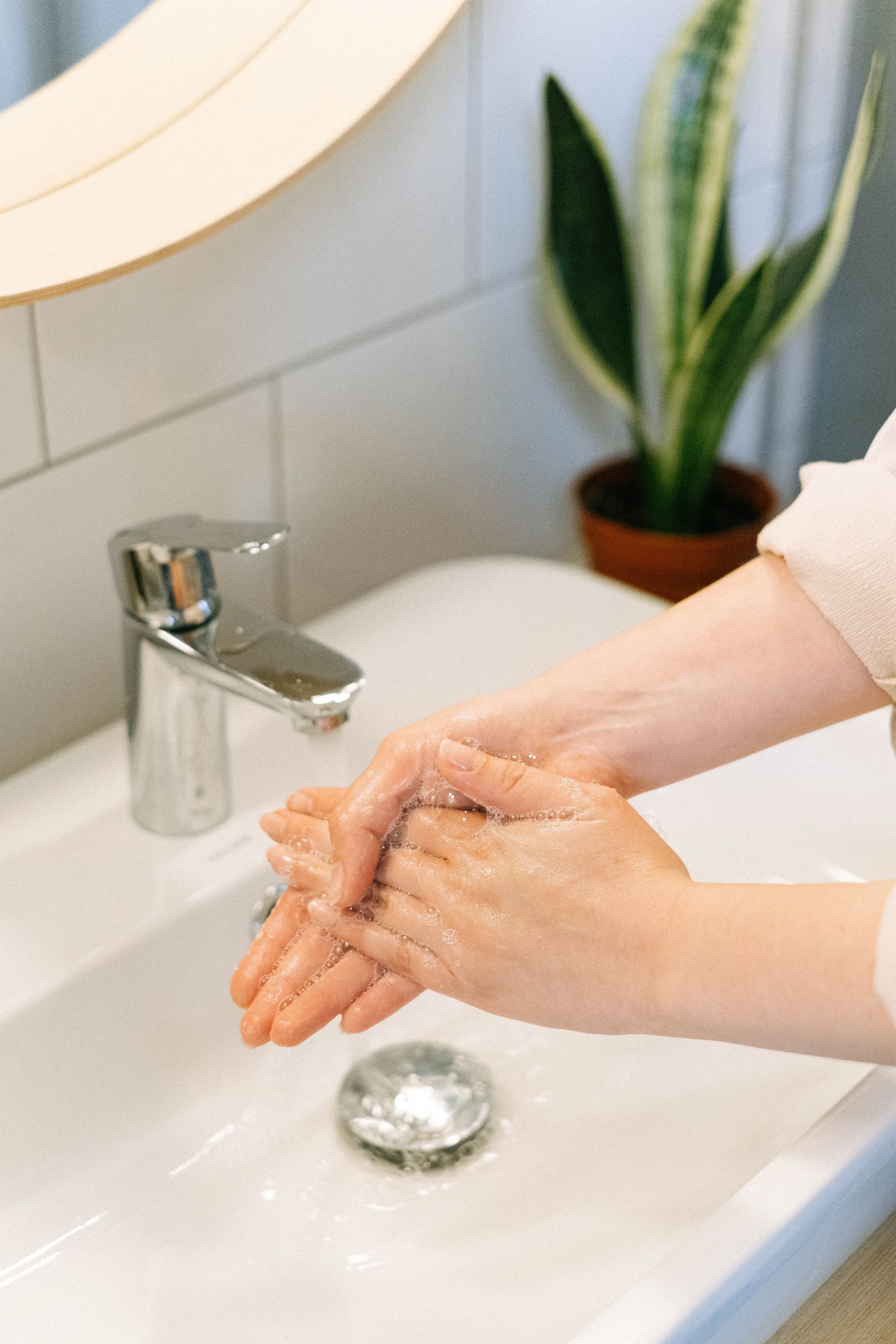
Hand hygiene is what actually keeps a bad situation from becoming a medical one. Iodine and bulk sanitizer cover you when running water and a full bar of soap aren't an option.
Do This
- Add povidone-iodine or a similar topical antiseptic to your medical and hygiene supplies.
- Buy hand sanitizer in bulk refill sizes, not just small travel bottles.
- Keep a smaller travel-size bottle in each vehicle and get-home bag.
- Extend your soap, TP, and basics from stage 3 out to a full 2-month target.
Build a Waste Disposal Plan

Trash and human waste don't stop piling up just because collection did. A plan you write down now is a lot easier to follow than one you're improvising mid-emergency.
Do This
- Store extra heavy-duty trash bags separately from your everyday kitchen stock.
- Decide now where waste would go and how long you could store it safely on your property.
- Add basic concentrated disinfectant for cleanup and odor control.
- Write your plan down in one page: what goes where, and who handles it.
Round Out a Full Two-Month Reserve

This stage is less about adding new categories and more about depth: making sure every category from stages 2–5 actually reaches two full months, not just the ones that were easy to remember.
Do This
- Go category by category (soap, TP, sanitizer, iodine, waste bags) and check each one against a 2-month target.
- Buy toward whichever categories are thinnest first.
- Rotate older stock to the front and move anything close to expiration into current use.
- Update your written inventory so you know exactly where you stand.
Build a Grid-Down Sanitation Kit

If the water stops running, a toilet that flushes stops working too. A camp toilet or bucket system with proper waste bags fixes the part of grid-down life nobody wants to think about.
Do This
- Get a camp toilet, or set up a bucket with a snap-on toilet seat lid.
- Stock waste bags rated for solid human waste, plus a gelling agent or absorbent material.
- Pick a location for it now, away from your water source and food storage.
- Store extra toilet paper and hand sanitizer with the kit itself, not just in the main reserve.
Practice Your Off-Grid Sanitation Plan

A grid-down toilet nobody's used before is a bad first impression during an actual emergency. Test the whole system once, on a normal weekend, so everyone knows how it works.
Do This
- Extend everything from stages 2–6 to a full 3-month target.
- Set up and actually use the grid-down kit from stage 7 for a full day, water and power on or off.
- Walk every household member through the waste disposal plan from stage 5.
- Fix whatever didn’t work and note it in your written plan.
Sanitation is the category that decides whether a bad week stays a bad week or turns into a health emergency. Build it in the same steady way as everything else: a little deeper each month, tested before you need it.
Common Questions
How do you make an emergency bucket toilet?
Line a 5-gallon bucket with a heavy-duty trash bag, add a snap-on toilet seat lid, and cover each use with an absorbent like kitty litter or sawdust. Tie off and double-bag full liners, and store them sealed, away from living areas and any water source.
What goes in an emergency hygiene kit?
Soap, toilet paper, hand sanitizer, toothbrushes and toothpaste, wet wipes, trash bags, unscented bleach, and everything specific to your household: feminine products, diapers, vitamins, and prescriptions. Build to 2–4 weeks first, then 6 weeks and beyond.
Keep Building
Your Next Guide



Have Something to Add?
If you're a client or instructor with resources worth sharing here, reach out.
Get in Touch