Resources / Preparedness / Medical & First Aid Readiness
First Aid Kits & Medical Readiness
Building a kit and the baseline skills to use it before help arrives.
The Rundown
A first aid kit is only as good as the person using it. Start with a real boo-boo kit and one household IFAK, then add the skill that actually matters: hands-on hemorrhage control training for every adult. From there it's a matter of giving everyone their own IFAK, backing up prescriptions, and expanding into airway and wound-closure supplies alongside formal training. Gear without training closes half the gap. Training without gear closes the other half. You need both.
Target, time, and cost figures below are planning estimates, not guarantees. They'll vary by household size, region, and what you already have on hand.
Jump to a Step
Build a Real Boo-Boo Kit Beyond Band-Aids
1 well-stocked kit, per household
Add One Household IFAK with Tourniquet and Pressure Dressing
1 IFAK with trauma basics, per household
Learn Hemorrhage Control as a Household
Every adult trained, per household
Equip an IFAK for Every Household Member
1 IFAK per household member
Stock a 2–4 Week Backup of Prescription Medications
2–4 weeks of prescriptions, per person who needs them
Expand to Airway, IV, and Suture Supplies
1 expanded trauma kit, per household
Get Formal Medical Training in the Household
1+ formally trained person, per household
Add Chronic Condition Meds and a Dental Kit
Full chronic medication backup + 1 dental kit, per household
Build a Real Boo-Boo Kit Beyond Band-Aids

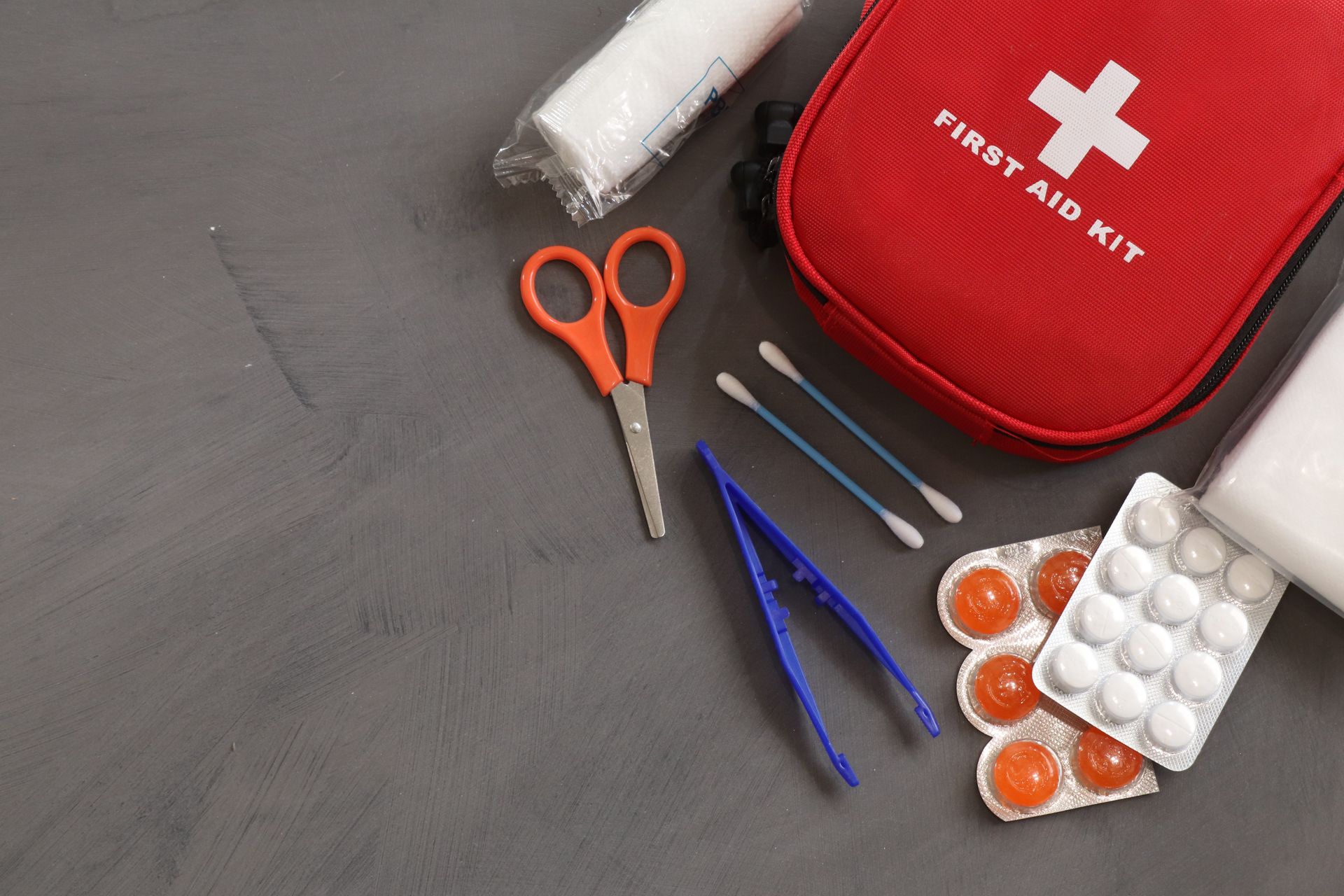
A box of band-aids and some Tylenol covers scraped knees, not much else. A real boo-boo kit is the same idea done properly: enough supplies and OTC meds to handle the everyday stuff without a pharmacy run.
Do This
- Stock adhesive bandages in multiple sizes, gauze pads, medical tape, and antiseptic wipes.
- Add OTC medication: pain relievers, antihistamines, anti-diarrheal, and any household staples.
- Include tweezers, small scissors, and a digital thermometer.
- Keep it in one labeled, grab-and-go container everyone in the house knows.
Add One Household IFAK with Tourniquet and Pressure Dressing

An IFAK (individual first aid kit) is built for one job: stopping serious bleeding before it becomes fatal. One good IFAK in the house is the single highest-value addition to your medical readiness.
Do This
- Buy a real, rated tourniquet (CAT or SOF-T), not a novelty version bundled into a cheap kit.
- Add a pressure dressing (Israeli bandage or similar) and a roll of hemostatic gauze.
- Keep it separate from your boo-boo kit so it never gets dug through for a band-aid.
- Store it somewhere fast to reach: entryway, bedroom, or wherever you spend the most time.
Learn Hemorrhage Control as a Household

A tourniquet in a bag does nothing if nobody in the house knows how to apply one under stress. Stop the Bleed courses are widely available and often free, and this is the stage that actually makes stage 2 useful.
Do This
- Find a local Stop the Bleed or equivalent hemorrhage control course.
- Get every adult in the household through it, not just one person.
- Practice applying your actual tourniquet, not just a training model, at least once.
- Repeat training every year or two, since these skills fade without practice.
Equip an IFAK for Every Household Member

One household IFAK is a start, but it does no good if it's on the wrong side of the house or already in use when someone else needs it. This stage puts one within reach of everyone.
Do This
- Build out identical IFAKs for each household member, matching the stage 2 build.
- Assign a kit to each vehicle, bag, and bedroom, so distance is never the problem.
- Label each kit and confirm everyone knows exactly where theirs is.
- Check every kit’s contents against a single master list so none of them are missing anything.
Stock a 2–4 Week Backup of Prescription Medications

Trauma supplies matter, but a household member missing a daily medication for two weeks can be just as serious a problem. This stage is about closing that gap, not the tourniquet gap.
Do This
- List every household member’s regular prescriptions and dosages in one place.
- Ask your doctor or pharmacist about building a small extra supply within insurance rules.
- Store backup medication properly (temperature, light) and check expiration dates regularly.
- Write down dosing instructions clearly enough that someone else could administer them correctly.
Talk to a Pharmacist First
Insurance refill timing varies a lot, and some pharmacies can work with you on getting slightly ahead of schedule for a real emergency reserve. It’s a five-minute conversation that can make the difference between having a backup and not.
Expand to Airway, IV, and Suture Supplies

This is a step beyond hemorrhage control: supplies for managing an airway, starting basic IV fluids, and closing wounds. It's also the point where more training matters more than more gear.
Do This
- Add basic airway adjuncts (NPA/OPA) and a bag valve mask if you have the training to use them.
- Add a suture or wound closure kit for injuries that need more than a bandage.
- Add IV supplies only alongside real training, since misuse causes real harm.
- Keep this expanded kit clearly separate from the everyday IFAKs so it doesn’t get raided.
Get Formal Medical Training in the Household

Everything in this guide up to now is supplies. This stage is skill, and it's the one thing that actually determines whether the gear gets used correctly when it counts.
Do This
- Enroll at least one household member in a Wilderness First Aid, TCCC, or EMT-level course.
- Prioritize hands-on courses over online-only certifications wherever possible.
- Bring your own IFAK and expanded kit to training so you practice on your actual gear.
- Recertify on a schedule (most courses run 1–3 years) instead of letting it lapse.
Gear Doesn’t Save Lives, People Do
A fully stocked trauma kit run by someone who froze under pressure does less than a basic kit run by someone who trained for it. If you only invest in one category on this whole page, make it training.
Add Chronic Condition Meds and a Dental Kit

This is the finishing layer: a real backup for chronic conditions beyond a 2-week supply, plus a dental emergency kit for the kind of pain that will otherwise derail everything else.
Do This
- Extend chronic condition medication backup as far past 2–4 weeks as your provider will support.
- Add a dental emergency kit: temporary filling material, clove oil, and basic dental tools.
- Store a copy of every household member’s medical summary (conditions, allergies, medications) with the kit.
- Review the entire medical setup (all 8 stages) once a year and replace anything expired.
You don't need every stage finished at once, and formal training especially can happen on its own timeline. Start with the tourniquet and the class to use it, then build outward from there.
Common Questions
What should be in a home first aid kit?
Start beyond band-aids: an assortment of bandages, gauze and tape, antiseptic wipes, antibiotic ointment, pain relievers, tweezers, trauma shears, and gloves. Then add at least one IFAK for life-threatening bleeding, plus a 2–4 week backup of prescription medications.
What is an IFAK?
An individual first aid kit built for the injuries that kill fastest, mainly severe bleeding. A basic IFAK holds a tourniquet, a pressure dressing, hemostatic or packing gauze, chest seals, gloves, and shears. The goal is one per household member.
Do I need Stop the Bleed training to use a tourniquet?
Yes. Gear without training is a guess. A hands-on Stop the Bleed or TECC course teaches tourniquet use, wound packing, and pressure in a few hours. Our partner Iron Rescue teaches TECC and emergency medical courses.

Have Something to Add?
If you're a client or instructor with resources worth sharing here, reach out.
Get in Touch