Resources / Tactical Preparedness / Tier 2: Ammo & Mags
Tier 2: Ammo & Magazines
Start with 3 mags per gun, shoot a lot, then build toward 6, 10, and a reserve you never touch.
The Rundown
Start with 3 reliable mags per gun and practice ammo you actually shoot. Build to 6 mags per gun, put away a reserve of about 1,000 rifle and 500 pistol rounds you never touch, and grow to 10+ rifle mags when you add a chest rig or plate carrier.
Costs are typical new retail ranges as of 2026 and planning estimates, not quotes. Ammo prices move, so check current prices before you buy.
Jump to a Step
Start With 3 Reliable Mags per Gun
3 rifle mags + 3 pistol mags
Buy Practice Ammo and Use It
A case of rifle and a case of pistol practice ammo
Build to 6 Mags per Gun
6 rifle mags + 5–6 pistol mags
Put Away a Reserve You Never Touch
~1,000 rifle rounds + ~500 pistol rounds
Grow to 10+ Mags for Your Rifle
10+ rifle mags
Start With 3 Reliable Mags per Gun
Three good magazines per gun is enough to train with and to defend your home. Buy proven mags, not the cheapest ones you can find: most malfunctions start at the magazine.
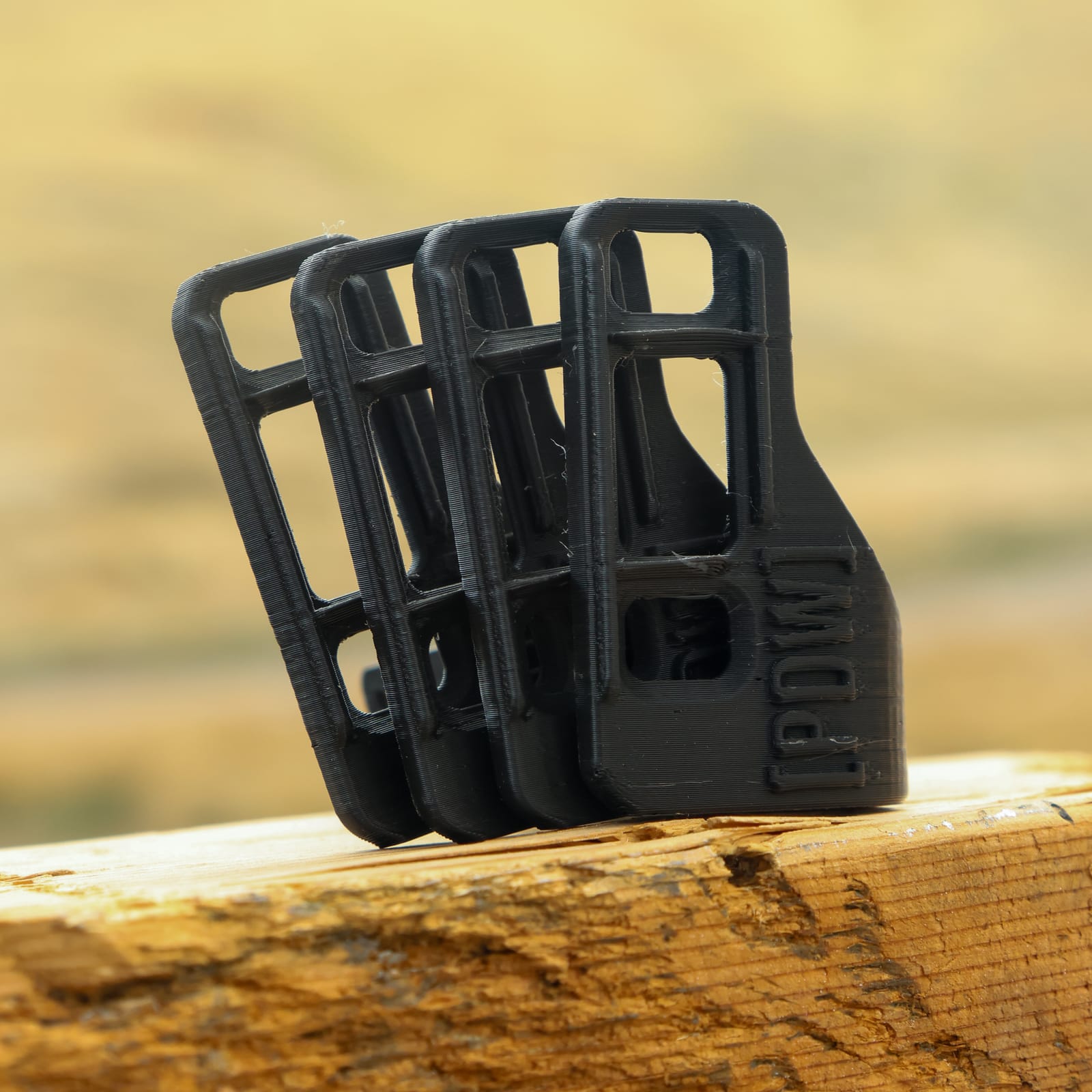
Magpul PMAGs and Lancers are the common rifle choices. For pistols, factory mags from your gun's maker are the safe bet.
Do This
- Buy 3 proven mags for each gun.
- Load and run every mag at the range before you count it.
- Number them so you can find the one that causes problems.
Buy Practice Ammo and Use It
The ammo you shoot matters more than the ammo you store. Buy practice ammo by the case, since it's cheaper per round, and actually shoot it.
Plain full-metal-jacket (FMJ) ammo from a mainstream maker is fine for practice.
Do This
- Buy practice ammo by the case to bring the price per round down.
- Pick a regular range day and use it.
- Track roughly how many rounds each gun has fired.
Build to 6 Mags per Gun
Once you're training regularly and have a gun belt coming, 6 per gun lets you run drills without reloading mags between every string, and fills your belt and range bag.
Do This
- Add mags until you have 6 per gun.
- Retire any mag that causes repeat malfunctions.
- Keep a couple loaded and ready, rotating which ones.
Put Away a Reserve You Never Touch
A reserve is ammo you don't practice with. Keep it separate, sealed, and stored cool and dry. If you shoot from it, it stops being a reserve.
Keep your home defense load (the one you zeroed and tested) in the reserve too, not just practice FMJ.
Do This
- Store the reserve in sealed ammo cans, somewhere cool and dry.
- Keep it separate from practice ammo, and label it.
- Include the defensive load you actually tested.
- Lock it up with, or near, your guns.
Grow to 10+ Mags for Your Rifle
When you get to Tier 6 (chest rig or plate carrier), you'll need more rifle mags to fill it and still have spares on the belt and in a bag. Ten or more is the common target.
Do This
- Add rifle mags as your chest rig or carrier needs them.
- Keep spares in your bag so a broken mag never stops a training day.
- Check feed lips and springs once a year.
Mags as You Build
- • Tier 1–2: 3 per gun to start.
- • Gun belt and bags: build to 6 per gun.
- • Chest rig or plate carrier: 10+ for the rifle.
More mags and ammo don't help if you never shoot them. Train with the practice ammo, keep the reserve locked up, and add mags as your gear grows.
Common Questions
How many magazines should I have?
Start with 3 per gun, build to about 6 per gun as you add a gun belt, and grow to 10 or more rifle mags once you have a chest rig or plate carrier to fill.
How much ammo should I keep on hand?
A common target is about 1,000 rifle rounds and 500 pistol rounds kept as a reserve you don't practice with, plus whatever practice ammo you're shooting. Build it over months, not all at once.
How should I store ammo?
Sealed ammo cans, somewhere cool and dry, kept separate from practice ammo and locked up with or near your guns. Stored this way, ammo keeps for years.

Have Something to Add?
If you're a client or instructor with resources worth sharing here, reach out.
Get in Touch