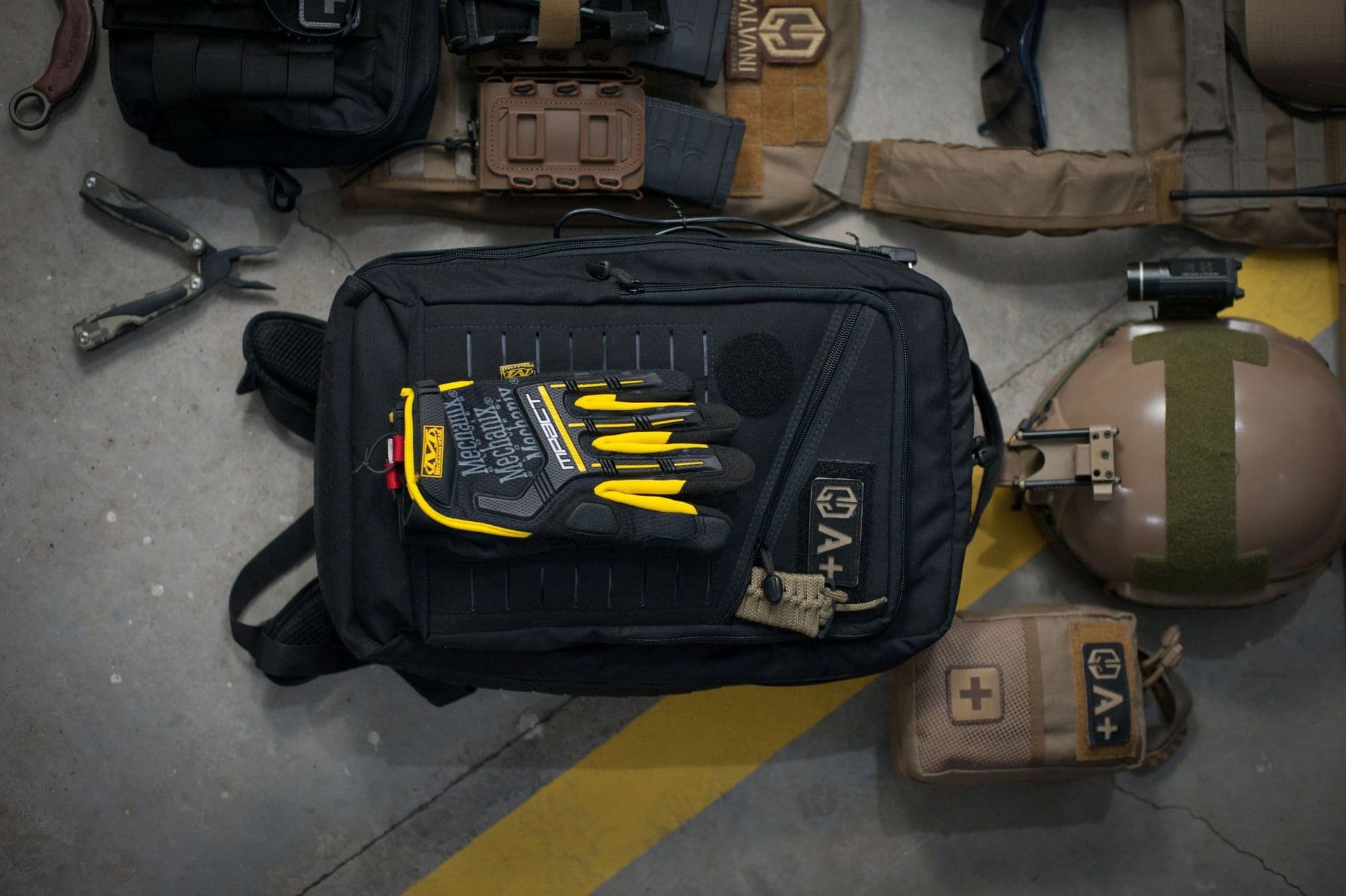
Resources / Tactical Preparedness / Tier 4: Packs & Bags
Tier 4: Packs, Get-Home & Truck Bags
A daypack, a get-home bag, and a truck bag with a designated, secure place to live.
The Rundown
Once your belt is set up, a pack carries everything else. Start with a 20–35 liter daypack, build a get-home bag, and set up a truck bag with a designated, out-of-sight spot. Bigger packs can wait until you need them. Weigh everything and carry it before you trust it.
Costs are typical new retail ranges as of 2026 and planning estimates, not quotes. Brands named are common starting points for your own research, not the only good options.
Jump to a Step
Get a Daypack That Works With Your Belt
1 pack, 20–35 liters
Build a Get-Home Bag
1 bag that gets you home from work or travel
Set Up a Truck Bag With a Designated Spot
1 vehicle bag with a set, secure place to live
Bigger Packs, When You Need Them
A 3-day pack (40–60 L) or a framed ruck (60+ L)
Weigh It, Then Carry It
Packed weights known; a few miles carried
Get a Daypack That Works With Your Belt
A 20–35 liter pack carries everything that doesn't fit on your belt: water, a layer, a rain shell, spare mags, extra medical, food, and batteries. It's the bag you grab for a range day or a long day outside.
Common names to start your search: Mystery Ranch, GORUCK, Eberlestock, and 5.11. Pick one that rides well over your gun belt.
Do This
- Choose a 20–35 liter pack with a bladder sleeve and straps that clear your belt.
- Pack water, a warm layer, a rain shell, and food for the day.
- Add spare mags, extra medical, and spare batteries.
- Carry it on a range day to see what you actually used.
First, Second, Third Line
- • First line (belt): pistol, a few reloads, IFAK, knife.
- • Second line (chest rig or plate carrier): rifle reloads, more medical, radio.
- • Third line (pack): water, food, layers, batteries, resupply.
Build a Get-Home Bag
A get-home bag is built to get you back to your family on foot if your car or the roads fail: water, a filter, food, a layer, shoes you can walk in, a light, and a little medical.
Our Emergency Preparedness guide walks through it item by item.
Do This
- Pack water, a filter, a day or two of food, and a warm layer.
- Add walking shoes, a headlamp, medical, and some cash.
- Keep it with you, at work or in the vehicle you drive most.
Full Packing List
The Get-Home Bag guide covers every item, step by step.
Open the Get-Home Bag guide →Set Up a Truck Bag With a Designated Spot
A truck bag lives in your vehicle full time: medical, water, a jacket, tools, recovery gear, and spare mags. Give it a designated spot so it's always in the same place and you never have to wonder where it is.
Keep it secure. Never leave guns or a bag full of gear sitting in plain view in a vehicle. A vehicle lockbox or a covered, locking spot keeps it out of sight and out of reach.
Do This
- Pick one designated, out-of-sight spot in the vehicle and always use it.
- Add a vehicle lockbox if a firearm ever rides with you.
- Pack medical, water, a jacket, basic tools, and a flashlight.
- Check it each season and swap what expired or got used.
Bigger Packs, When You Need Them
You don't need this on day one. A 3-day pack carries shelter, a sleep system, and more food. A framed ruck moves heavy loads onto your hips for long carries. Add one when your trips call for it.
Do This
- Wait until you have a real use for a bigger pack.
- Choose one with a frame and hip belt if loads get heavy.
- Make sure it works with your belt, or plan to drop one.
Weigh It, Then Carry It
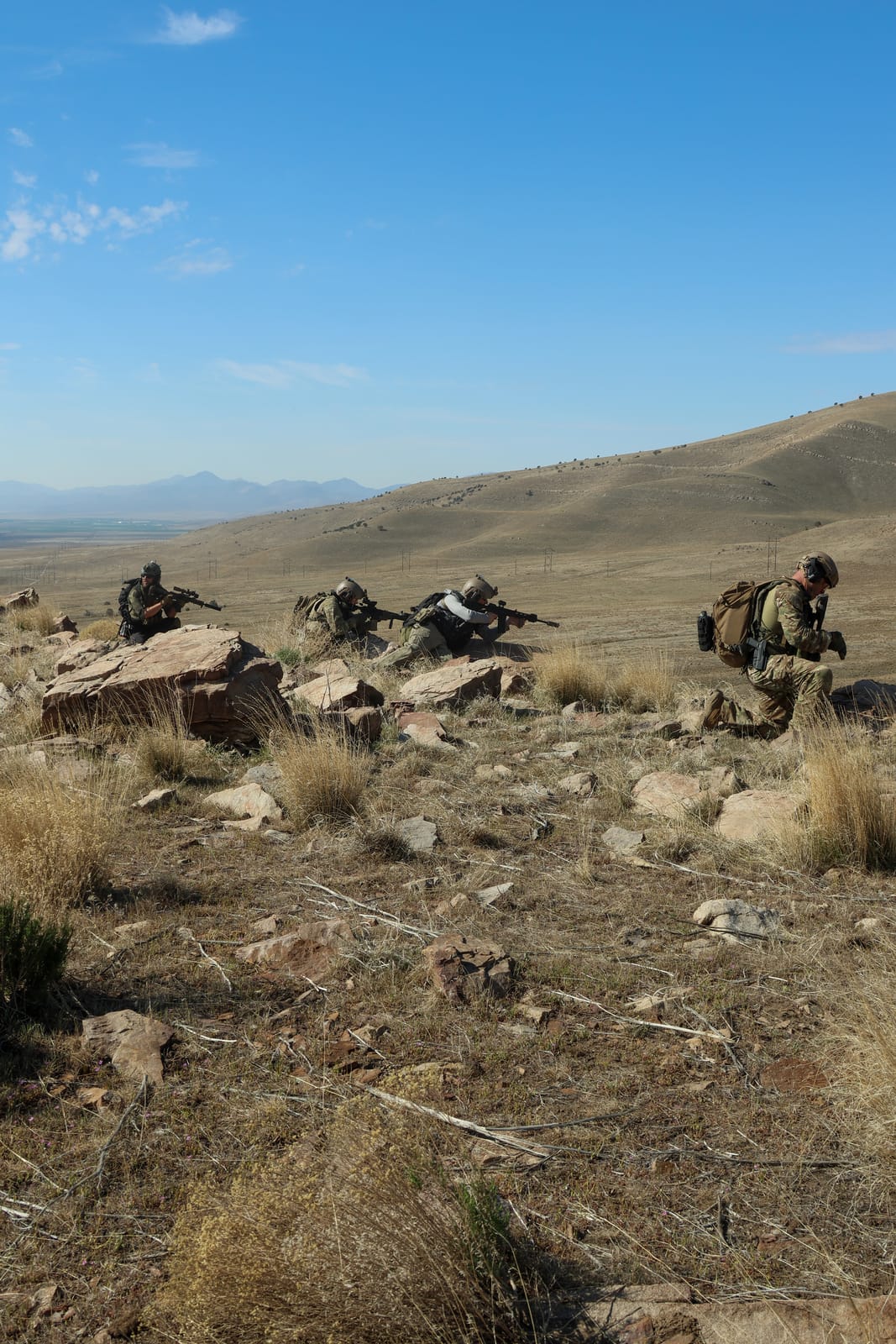
A bag you've never carried is a guess. Pack it, weigh it, and walk a few miles with your belt on. Most people move far better under about a quarter of their body weight. Anything you wouldn't carry that far gets cut.
Do This
- Weigh each packed bag and write the number down.
- Walk at least 3 miles with the pack and your belt together.
- Cut anything you didn't use or wouldn't carry again.
A bag only helps if it's packed, where you expect it, and secure. Give every bag a home, check it each season, then move up to comms.
Common Questions
What size tactical backpack should I get?
A 20–35 liter pack covers a range day or a long day outside. Go to 40–60 liters for a 3-day pack, and a framed ruck of 60 liters or more for heavy, long carries.
What should be in a truck bag?
Medical, water, a jacket, basic tools, a flashlight, and recovery gear for your vehicle, kept in one designated, out-of-sight spot. If a firearm ever rides with you, add a vehicle lockbox.
What's the difference between a get-home bag and a bug-out bag?
A get-home bag gets you from work or the road back to your house. A bug-out bag is what you carry when you have to leave home. The Emergency Preparedness section has full lists for both.
Have Something to Add?
If you're a client or instructor with resources worth sharing here, reach out.
Get in Touch