Resources / Tactical Preparedness / Tier 6: Chest Rig or Plate Carrier
Tier 6: Chest Rig or Plate Carrier
Your fighting load: which to buy first, how many mags, armor ratings, and how it should fit.
The Rundown
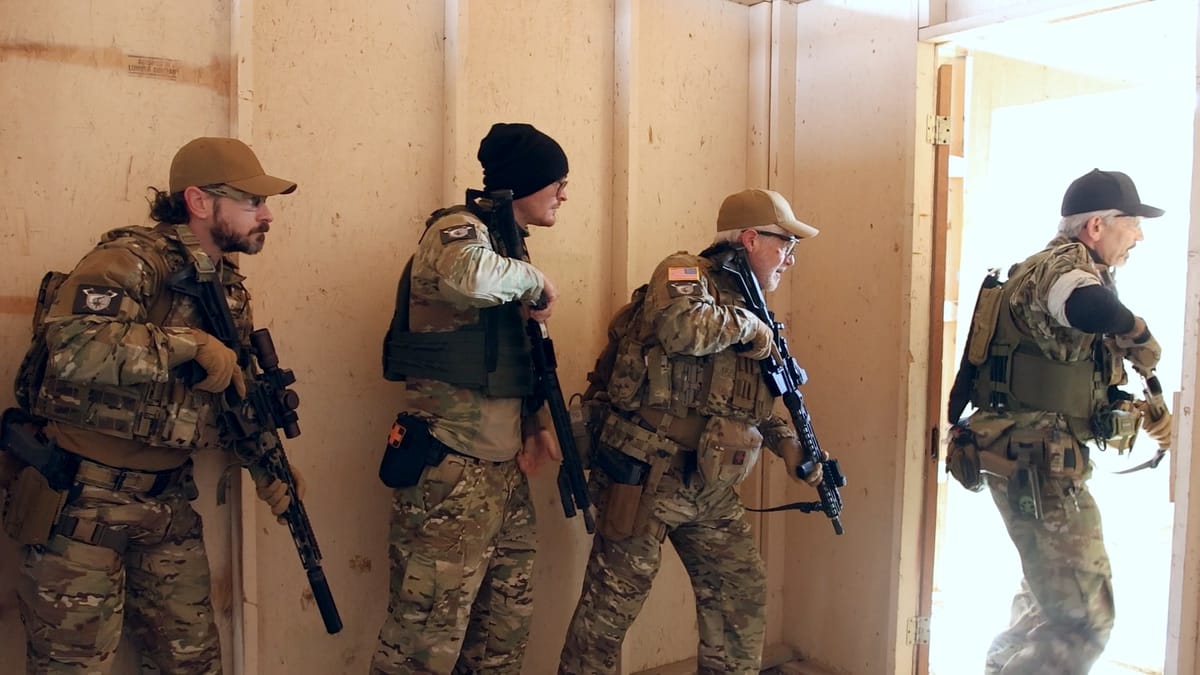
This is where you add a real fighting load. Most people start with a chest rig and add a plate carrier later, so choose gear that moves between them. Carry 4–8 rifle mags and your radio, learn what armor ratings mean, buy NIJ-listed plates, and fit the carrier so the plate sits at your sternum notch.
Costs are typical new retail ranges as of 2026 and planning estimates, not quotes. Brands named are common starting points for your own research, not the only good options. Check armor against the NIJ Compliant Products List before you buy.
Jump to a Step
Chest Rig or Plate Carrier: Pick One to Start
One fighting load that fits your budget and use
Carry 4–8 Rifle Mags and a Little Storage
4–8 rifle mags, 1 small GP pouch, a radio spot
Choose Gear That Moves Between Rig and Carrier
A placard that clips onto both
Learn What the Armor Ratings Mean
Know exactly what your armor is rated to stop
Buy Rated Plates and a Carrier That Fits
1 front + 1 back plate, 1 minimalist or medium carrier
Set the Ride Height, Then Run It
Rides high, clears the belt; reloads drilled
Chest Rig or Plate Carrier: Pick One to Start
Both carry your rifle reloads on your chest. A chest rig is cheaper, lighter, and cooler, and it's great for training. A plate carrier holds armor, so it protects you, but it's heavier and costs a lot more once you add plates.
Most people start with a chest rig and add a plate carrier later. If armor is your priority, start with the carrier. Either way, you'll end up with both.
Do This
- Decide what matters more right now: light and cheap, or protection.
- If unsure, start with a chest rig. It works with everything else you have.
- Plan for the other one later, and choose gear that works across both.
Chest Rig vs Plate Carrier
- • Chest rig: ~$120–$300. Light, cool, fast to throw on. No protection.
- • Plate carrier: ~$150–$400 for the carrier, plus $250–$1,000 for plates. Protection, more weight.
- • Both: rifle reloads up front, a radio pouch, a little storage.
Carry 4–8 Rifle Mags and a Little Storage
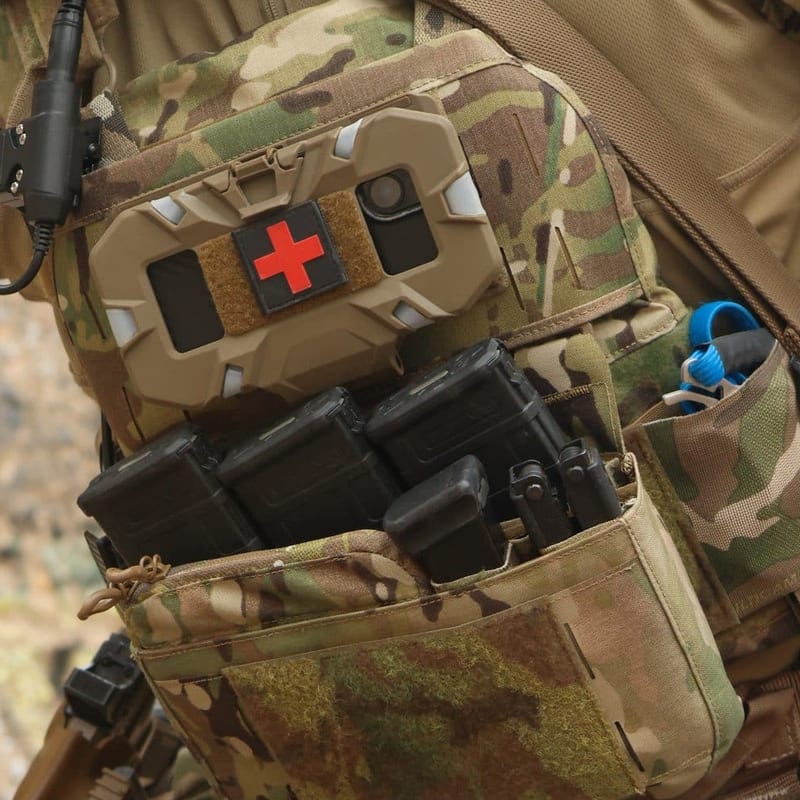
Four rifle mags is a common sweet spot, and up to eight makes sense for longer days. Add one small general-purpose pouch and a spot for the radio from Tier 5. Keep it lean: extra space turns into extra weight.
Common names to start your search: Spiritus Systems, Haley Strategic, Ferro Concepts, and Mayflower. Plenty of others make good rigs.
Do This
- Choose a mag placard or rig that holds 4–8 rifle mags.
- Add one small GP pouch and move your radio and PTT onto it.
- Keep pistol mags and the IFAK on your belt.
- Load it with full mags before you judge how it fits.
Choose Gear That Moves Between Rig and Carrier
Many rigs use a quick-attach system (Spiritus Systems' SwiftClip is the common one), so the same mag placard clips onto your chest rig or the front of a plate carrier. It saves money and keeps your reloads in the same spot when you add the other one.
Do This
- Check whether your rig uses SwiftClip or standard buckles.
- Choose your future carrier around the same system.
- Practice swapping the placard so you know it works.
Learn What the Armor Ratings Mean
Body armor in the US is rated by the National Institute of Justice (NIJ). The older 0101.06 standard uses levels like IIIA, III, and IV. The newer 0101.07 standard uses HG1 and HG2 for handgun threats and RF1, RF2, and RF3 for rifle threats. You'll see both for years: NIJ plans to keep the older list through at least the end of 2029.
Buy armor that's on the NIJ Compliant Products List. Labels like "Level III+" are marketing, not an NIJ rating.
Do This
- Check any armor you're considering against the NIJ Compliant Products List.
- Match the rating to the threats you're likely to face, not the scariest one.
- Read what each plate is tested against, especially 5.56 green tip (M855).
NIJ Ratings, Old and New
- • IIIA / HG2: soft armor for common handgun rounds. HG1 covers a little less.
- • III / RF1: rifle plates for common rounds like 7.62×51 M80, 7.62×39, and 5.56 M193.
- • RF2: everything RF1 stops, plus 5.56 M855 green tip.
- • IV / RF3: plates rated for armor-piercing .30-06.
Buy Rated Plates and a Carrier That Fits
Most people building against common US rifle threats aim for RF2-level plates. Steel is cheap and durable but heavy and needs a spall coating. Polyethylene is very light but often won't stop green tip. Ceramic is the middle ground most people end up with.
For the carrier, Crye Precision, Ferro Concepts, Spiritus Systems, and Agilite are common names to start with. Soft armor panels (IIIA or HG2) can go behind the plates or in the sides when you're ready.
Do This
- Choose NIJ-listed plates in a size that fits you (a medium 10×12 fits most adults).
- Set the front plate so its top edge sits at the notch at the top of your sternum.
- Make sure you can shoulder your rifle and move your arms freely.
- Add soft armor later if your plates need a backer or you want side coverage.
Set the Ride Height, Then Run It
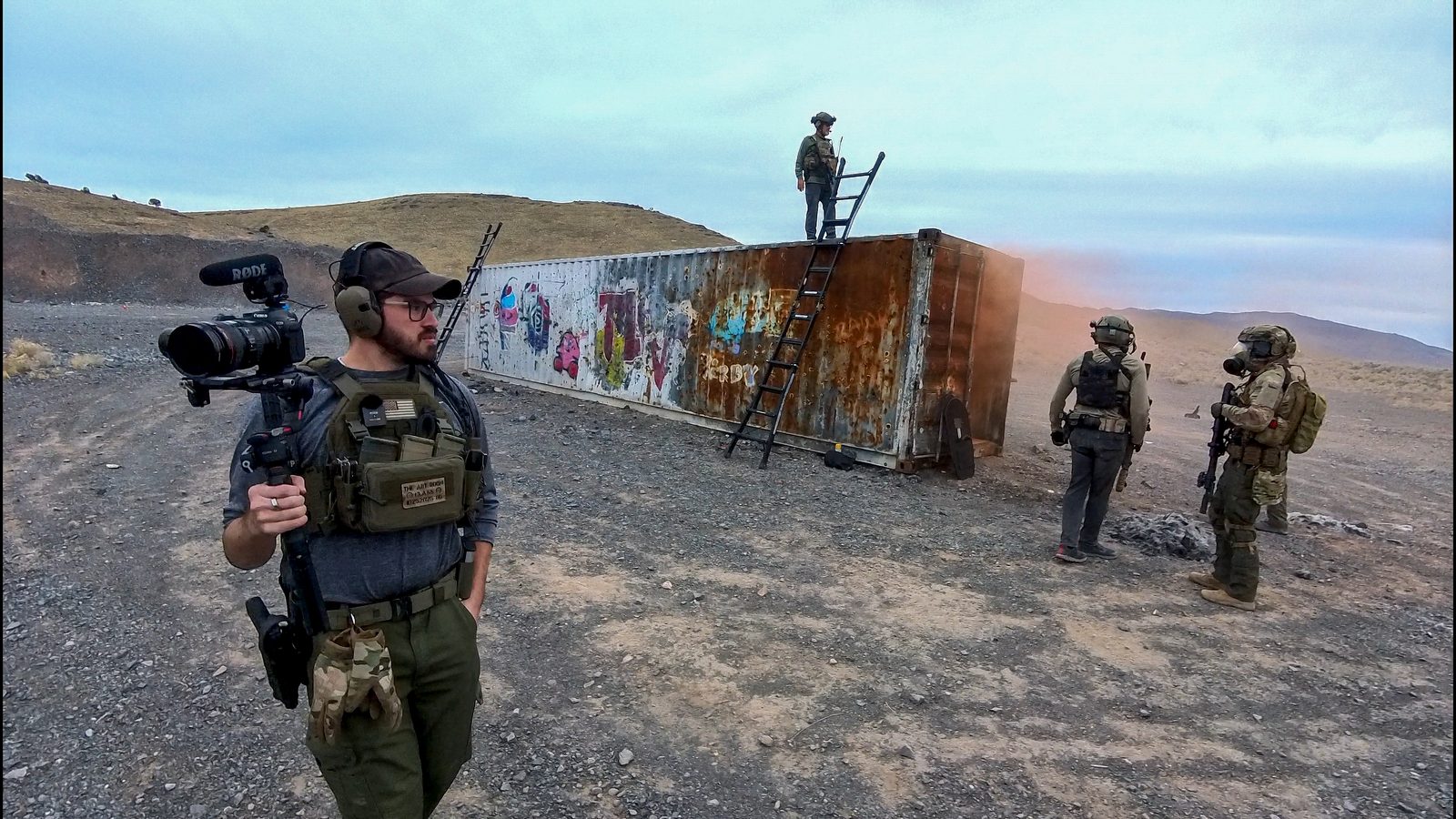
Wear it high enough that it doesn't cover your belt pouches or holster. Then run it with your belt and pack on: reloads, movement, kneeling, and prone.
Do This
- Raise the rig or carrier until it clears your belt and holster.
- Run reloads with both hands, moving and standing.
- Go prone to make sure mags and pouches still work.
- Wear it a full range day before you call it set up.
Rig or carrier, it only works if it fits and you've trained in it. Keep it lean, keep your reloads in the same spot, then top it with a helmet.
Common Questions
Should I buy a chest rig or a plate carrier first?
Most people start with a chest rig: it's cheaper, lighter, and great for training. If armor is your priority, start with a plate carrier. Choose gear that moves between the two (like SwiftClip placards), since you'll likely own both eventually.
What level of body armor do I need?
For common US rifle threats, many people aim for RF2-rated plates under the newer NIJ standard, which stop 5.56 green tip as well as common 7.62 rounds. Soft armor rated IIIA or HG2 covers handgun threats. Make sure anything you buy is on the NIJ Compliant Products List.
How should a plate carrier fit?
The top of the front plate should sit at the notch at the top of your sternum, with the back plate at the same height. You should be able to shoulder a rifle and move your arms freely, and it should not sag or shift when you run.
Have Something to Add?
If you're a client or instructor with resources worth sharing here, reach out.
Get in Touch