Resources / Tactical Preparedness / Tier 7: Helmet
Tier 7: Bump & Ballistic Helmets
Bump or ballistic, a fit that stays put, and the rails and shroud for ear pro and night vision.
The Rundown
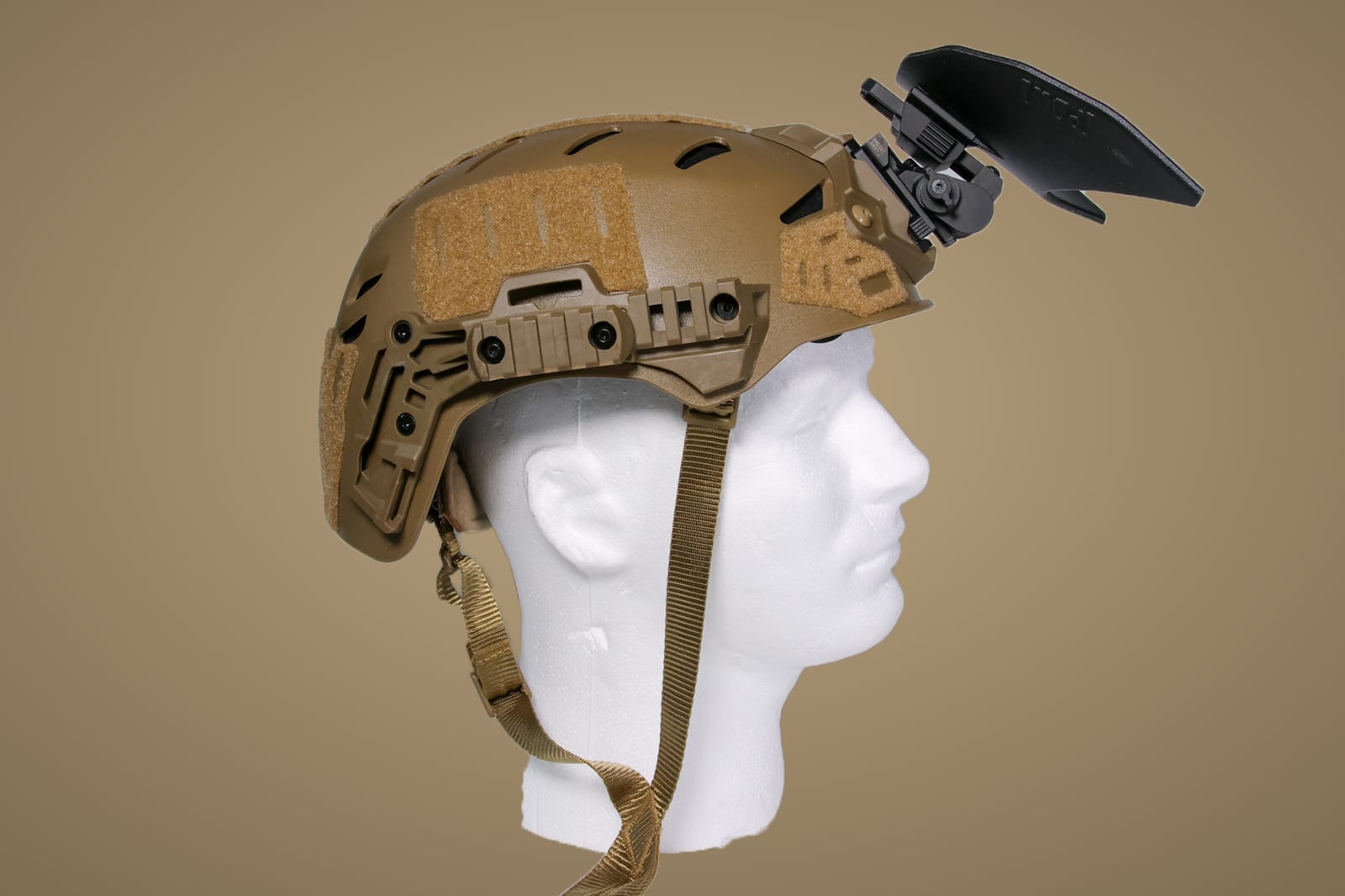
The helmet comes after your rig or carrier and before night vision. Decide between bump (impact only) and ballistic (rated for handgun rounds), choose a US-made high-cut helmet, dial in the fit, and set up the rails and shroud so it's ready for ear pro and night vision.
Costs are typical new retail ranges as of 2026 and planning estimates, not quotes. Brands named are common starting points for your own research, not the only good options.
Jump to a Step
Bump or Ballistic: Know the Difference
A bump helmet protects your head from knocks, doorframes, and falls, and gives you rails and a shroud for lights, ear pro, and night vision. It is not bulletproof. A ballistic helmet does all that and is rated to stop handgun rounds and fragments, at more weight and cost.
Many people start with a bump helmet to learn the setup, then buy ballistic. If you want protection, go straight to ballistic.
Do This
- Decide whether you need impact protection only (bump) or ballistic protection.
- If it's for night vision training, a bump helmet is a cheaper way to start.
- Plan your budget for the helmet plus mounts and accessories.
Bump vs Ballistic
- • Bump: ~$100–$400. Light, impact protection only, full rails and shroud.
- • Ballistic (IIIA): ~$300–$1,500. Stops handgun rounds and fragments, heavier.
- • Both: high-cut so electronic ear pro fits underneath.
Choose a US‑Made, High‑Cut Helmet
Stick with established makers, and for ballistic helmets, US-made. Team Wendy, Ops-Core, Galvion, and Gentex are common names to start with. High-cut shells leave room for electronic ear pro.
Do This
- Choose a high-cut helmet from an established maker.
- For ballistic, confirm the IIIA (or HG) rating and that it is US-made.
- Get the right size for your head, not the one on sale.
Dial In the Fit
A helmet that shifts is worse than none. Set the pads and retention so it sits level, stays put when you run and look up, and doesn't press on your ear pro.
Do This
- Adjust the pads until it sits level and snug.
- Set the retention system so it stays put when you shake your head.
- Wear it with your ear pro for an hour to find pressure points.
Set Up the Rails and Shroud
The side rails carry rail-mounted ear pro and a light. The front shroud is where night vision mounts in the next tier. Set them up now so the helmet is ready.
Many electronic ear pro models, including popular comms headsets, have helmet rail adapters, so your ear pro and PTT move onto the helmet.
Do This
- Mount your ear pro to the rails if it has an adapter.
- Add a helmet light on the rail for hands-free white light.
- Confirm the front shroud fits a standard night vision mount.
- Add a counterweight pouch on the back for later.
A helmet that fits and is set up right makes the last tier, night vision, a simple bolt-on.
Common Questions
What's the difference between a bump helmet and a ballistic helmet?
A bump helmet protects against impacts and gives you rails and a shroud for accessories, but it will not stop bullets. A ballistic helmet is rated (usually IIIA) to stop handgun rounds and fragments, and it weighs and costs more.
How much does a ballistic helmet cost?
Roughly $300–$1,500 new in 2026, depending on the maker and weight. Bump helmets run about $100–$400.
Do I need a helmet for night vision?
To run night vision hands-free, yes. The helmet's front shroud holds the mount and arm. A bump helmet is a common, cheaper way to start.
Have Something to Add?
If you're a client or instructor with resources worth sharing here, reach out.
Get in Touch