Resources / Tactical Preparedness / Fill the Holes
Fill the Holes
Go back through your kit, find what failed or what you don't like, and upgrade that first.
The Rundown
Reaching the top of the pyramid isn't the end. Find the holes in your kit with the Loadout Check and a full day in your gear, upgrade what failed first, add the extras most people miss, move up to a real safe, and keep training.
Costs are typical new retail ranges as of 2026 and planning estimates, not quotes.
Jump to a Step
Find the Holes
A short list of what failed, annoyed you, or is missing
Upgrade What Failed First
Fix the biggest problem before buying anything new
Add the Extras
Water carry, knife and multitool, spares, more mags
Upgrade Your Storage
A real safe as your collection grows
Keep Training With What You Own
Regular training with the gear you already have
Find the Holes
Owning one of everything isn't the finish line. Now you find the weak spots: the mag that keeps failing, the pouch you can't reach, the bag that's too heavy, the radio you never practiced with.
Take the Loadout Check again, then wear everything on a long range day and write down every problem.
Do This
- Retake the Loadout Check and note your lowest tiers.
- Run a full day in all your gear and write down every problem.
- Ask someone who trains with you what they noticed.
- Sort the list: what failed, what slowed you down, what you just want.
Upgrade What Failed First
Spend on what actually held you back, not on what looks cool. Wait a few days before buying anything, so you're buying to solve a problem, not on impulse.
Upgrades don't have to happen in order. Go back to any tier, at any point, and improve the piece you don't like.
Do This
- Fix anything that failed before buying anything new.
- Wait a few days before every gear purchase.
- Replace one piece at a time and test it before the next.
- Sell or pass down what you replaced.
Add the Extras
Some of the most useful gear isn't a tier. Most people find these holes on their first long range day or outing.
Do This
- A 2–3 liter hydration bladder plus a metal canteen or bottle.
- A fixed-blade or folding knife and a multitool that fits your gear.
- Spare batteries for every light, optic, radio, and ear pro.
- Spare parts for your rifle, like a bolt, springs, and a spare charging handle.
Upgrade Your Storage
The $100 cabinet from Tier 1 was the right start. As your gear grows, a real safe protects it from theft and fire and keeps it all in one place, along with your ammo reserve and night vision.
Do This
- Buy a safe with room to grow, since collections always get bigger.
- Bolt it down and keep it out of sight.
- Store night vision, optics, and the ammo reserve inside too.
Keep Training With What You Own
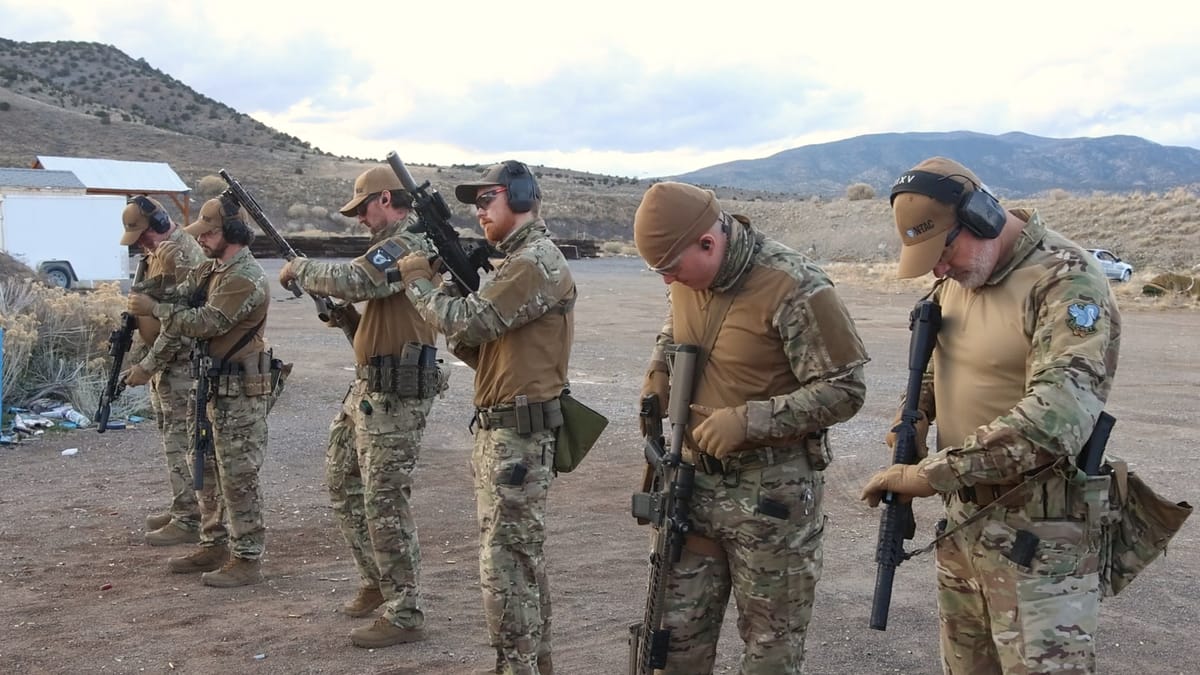
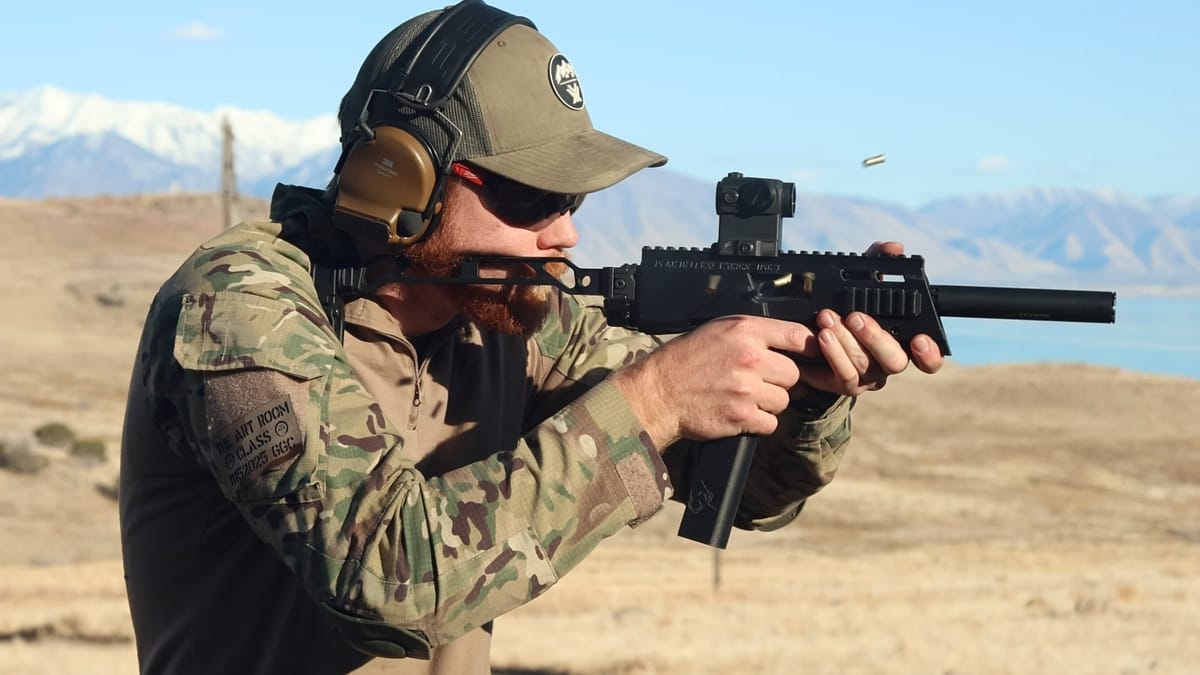
Gear doesn't make you better on its own. Training shows you which holes matter, and it's often a better buy than the next piece of gear.
Do This
- Take a class at least once or twice a year.
- Train in the gear you would actually wear.
- Let what you learn decide your next purchase.
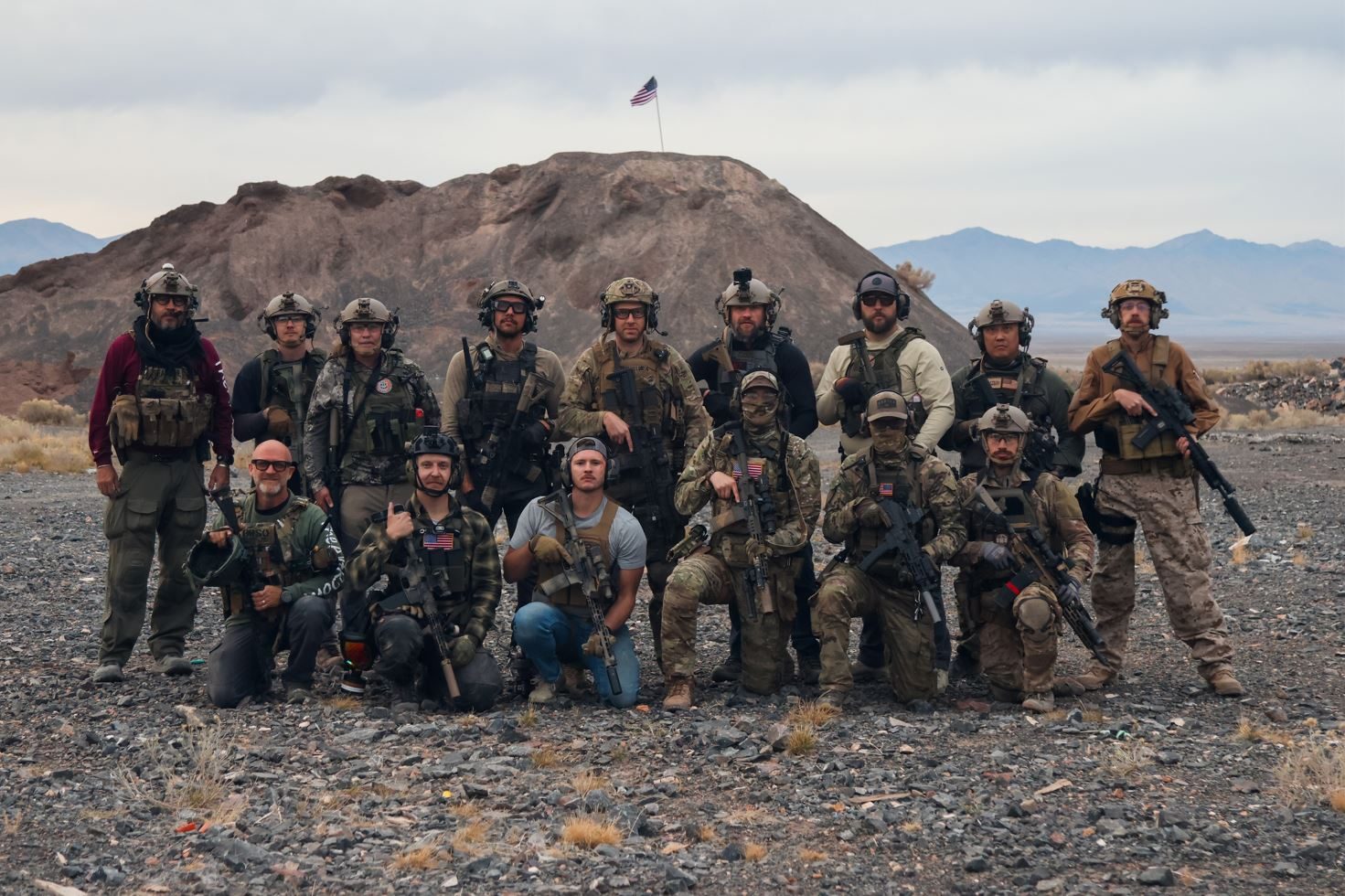
Train With Good People
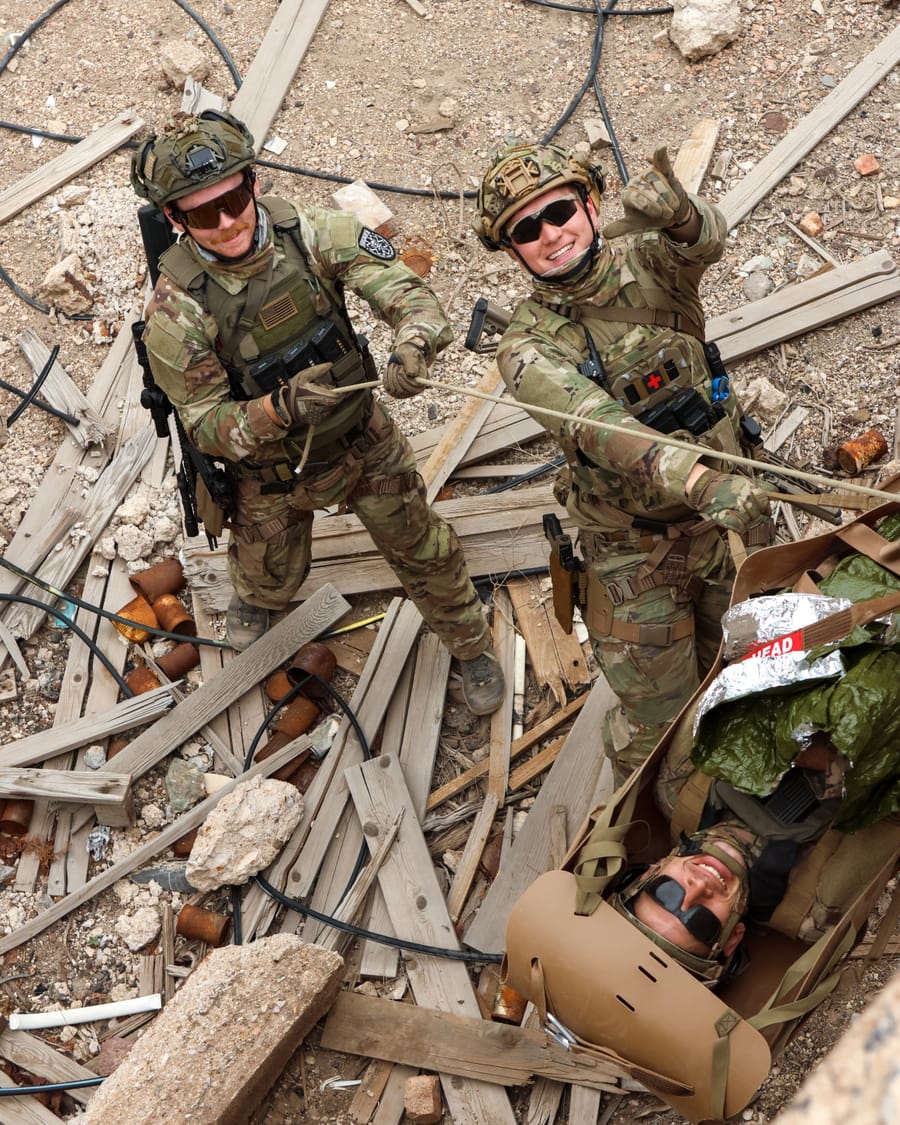
Classes are the fastest way to find the holes in your kit and your skills.
See where to train →The best loadout is the one you've worn, trained in, and fixed one piece at a time. Keep filling the holes.
Common Questions
When should I upgrade my gear?
When something fails, slows you down, or you can't reach it, not because a new version came out. Find the holes on a long range day, fix the biggest one first, and wait a few days before buying.
Do I have to build the tiers in order?
It's the most likely path, not a rule. Once you have a solid foundation, go back to any tier at any point and upgrade what you don't like.
Have Something to Add?
If you're a client or instructor with resources worth sharing here, reach out.
Get in Touch