Resources / Tactical Preparedness / Tier 1: Rifle & Pistol
Tier 1: Rifle & Pistol Setup
A rifle and pistol set up right, basic protection, a tourniquet, and a secure place to keep them.
The Rundown
Most people start here: a 16-inch rifle and a pistol for home defense or carry. Set the rifle up with a light, sling, and optic, add basic eye and ear protection, carry a tourniquet from day one, and keep it all locked up. You don't need everything at once. Get this tier solid, then move to mags and ammo.
Costs are typical new retail ranges as of 2026 and planning estimates, not quotes. Brands named are common starting points for your own research, not the only good options.
Jump to a Step
Get a 16" Rifle That Runs
1 semi-auto AR-15 class rifle, 16" barrel
Set It Up: Weapon Light, Sling, and Optic
Weapon light + 2-point sling + red dot or LPVO
Add a Home Defense or Carry Pistol
1 9mm pistol + a weapon light
Get Basic Protection: Eyes, Ears, Hands, Feet
Eye pro, electronic ear pro, gloves, solid boots
Carry a Tourniquet From Day One
1 real tourniquet you carry, and know how to use
Store It Securely
A locking gun cabinet or safe + a quick-access pistol box
Get a 16" Rifle That Runs
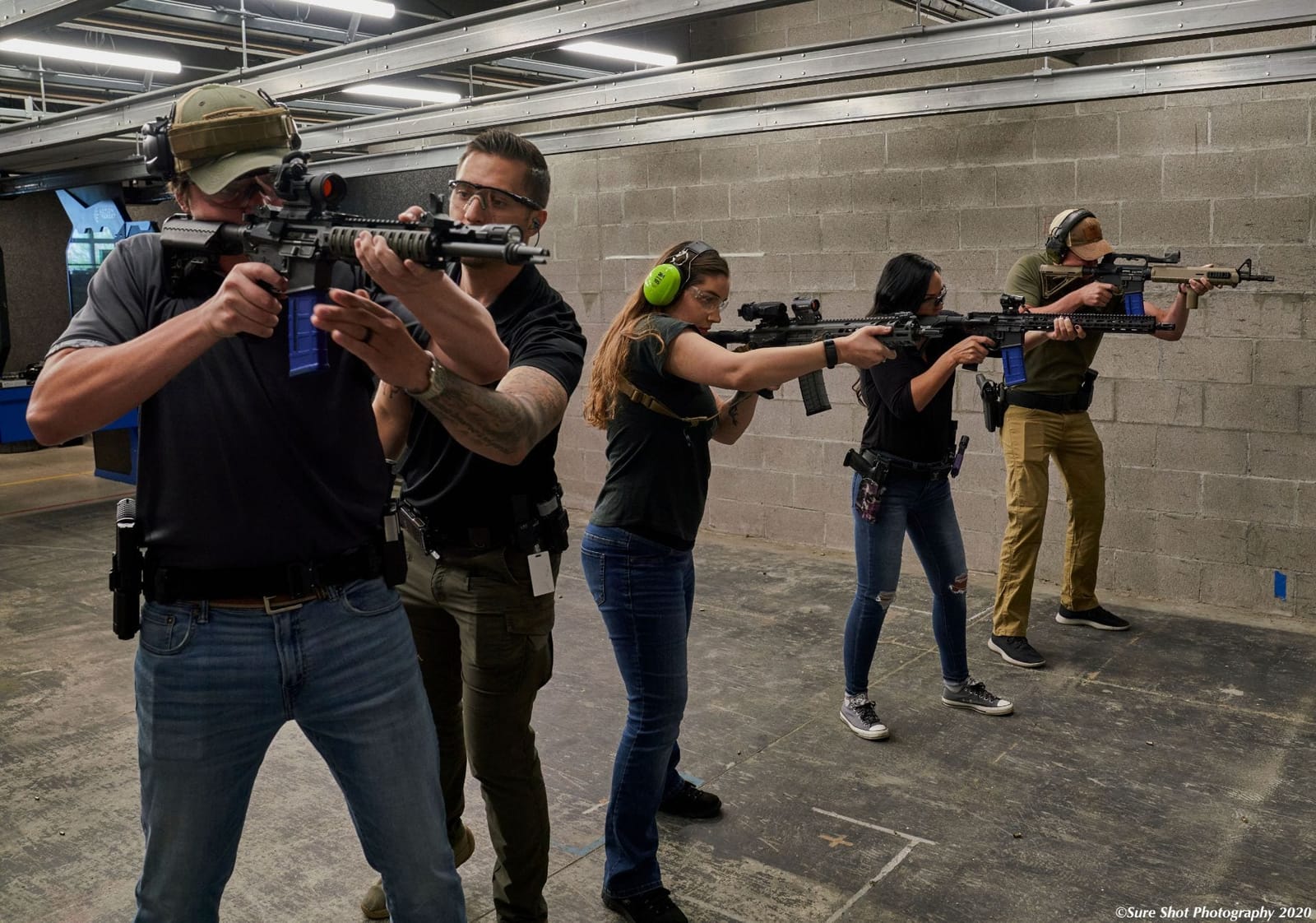
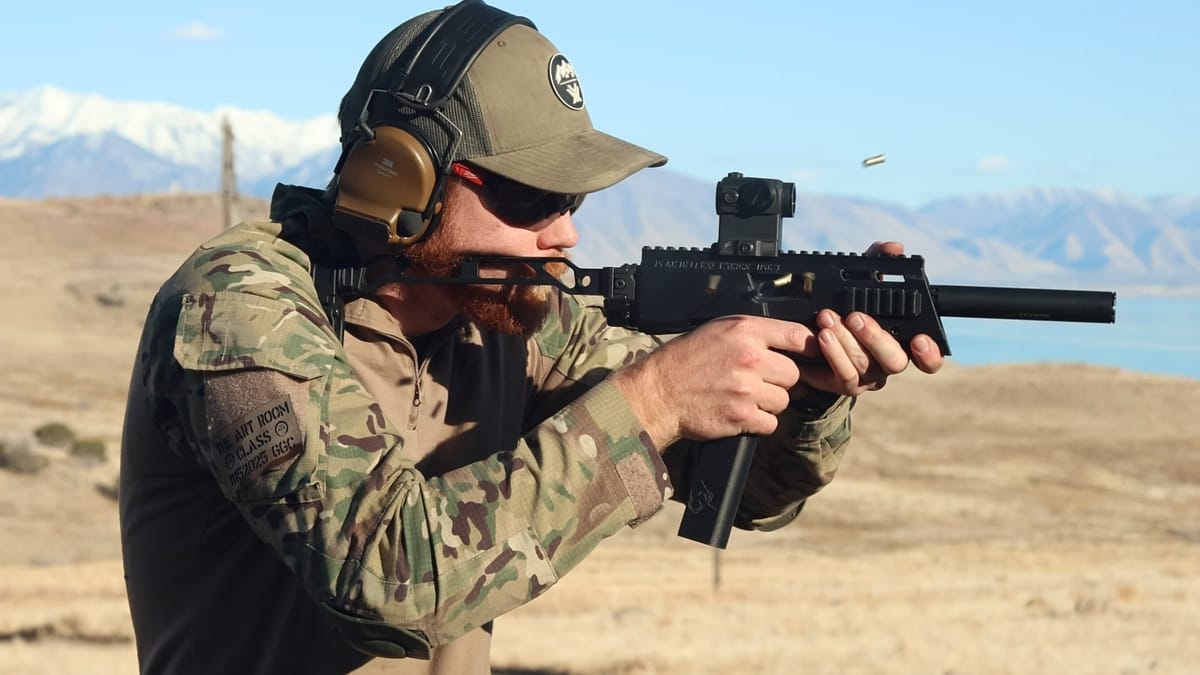
A 16" AR-15 in 5.56 is where most people start, and for good reason: magazines, parts, ammo, and training are everywhere. What matters is that it runs every time, not the logo on it.
For a reference point: if you're on a budget, I'd point you toward PSA. If you're spending more, I like BCM. Plenty of other makers build solid rifles, so treat those two as a starting point for your own search.
Do This
- Pick a mainstream platform (an AR-15 in 5.56) so mags, parts, and ammo are easy to find.
- Put 200–300 rounds through it before you trust it.
- Learn to clear the common malfunctions and keep it lubricated.
- Skip cosmetic upgrades for now. Spend on the next tiers instead.
Set It Up: Weapon Light, Sling, and Optic
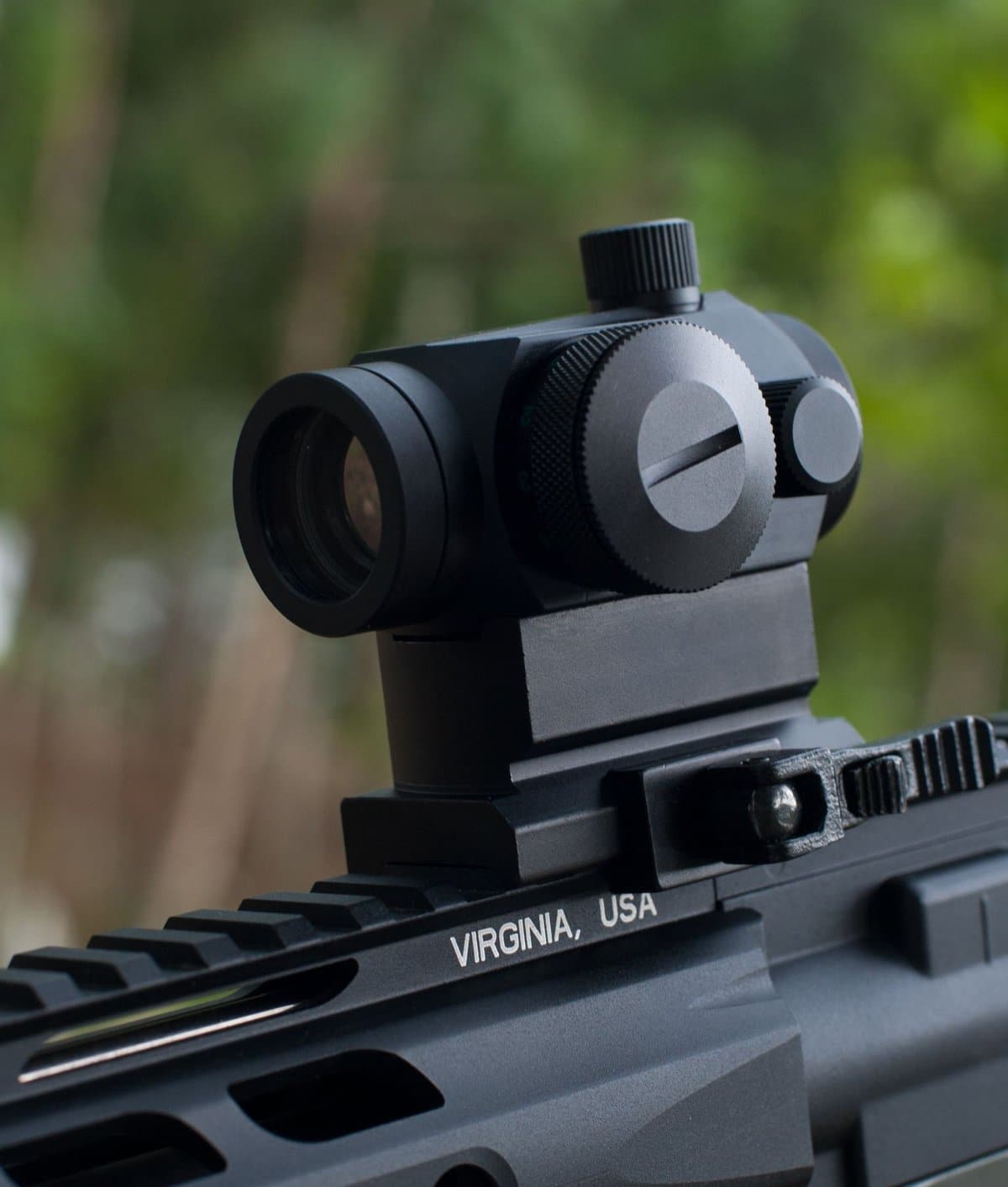
A rifle isn't set up until you can see your target in the dark, carry it hands-free, and hit what you aim at. That means a weapon light, an adjustable 2-point sling, and an optic.
Common names to start your search: Streamlight, SureFire, and Cloud Defensive for lights; Holosun, Aimpoint, and EOTech for red dots. A red dot covers most people. An LPVO (low-power variable optic) makes sense if you shoot past 200 yards.
Do This
- Mount the light where your support hand can turn it on without changing your grip.
- Adjust the sling so the rifle shoulders fast and hangs out of the way when you let go.
- Zero the optic (a 50-yard zero works for most 5.56 setups), then confirm it farther out.
- Torque the mounts and witness-mark the screws so you can see if anything moves.
Add a Home Defense or Carry Pistol
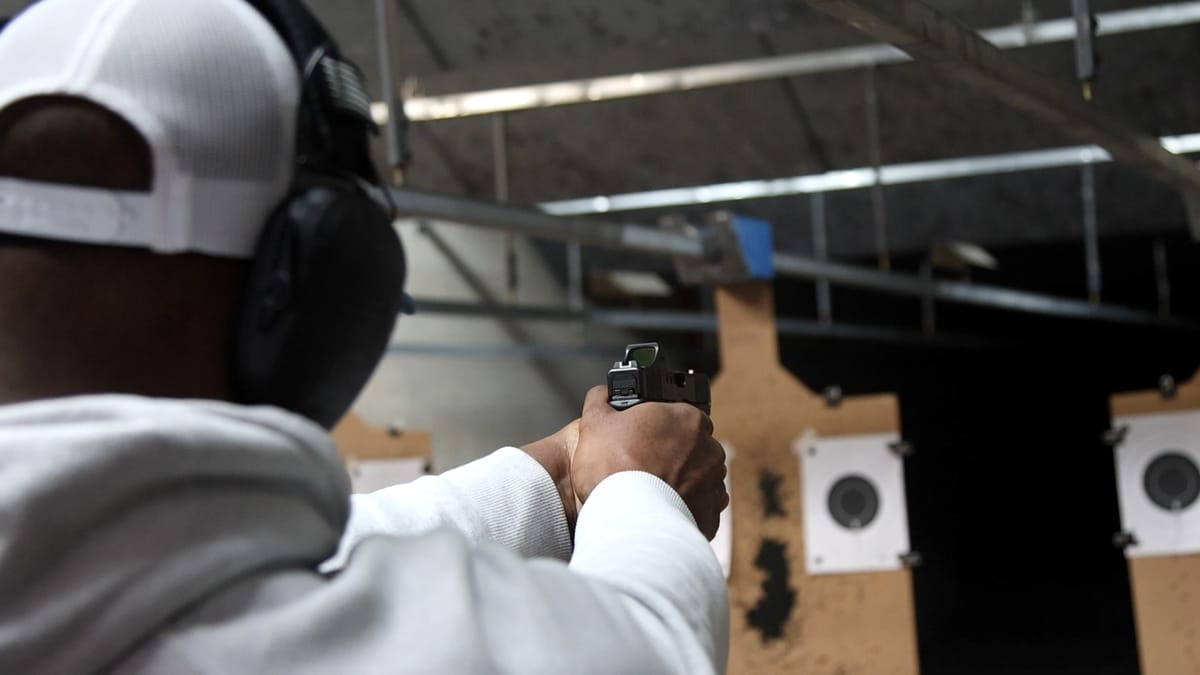
Most people buy a pistol early, for the nightstand or to carry. A striker-fired 9mm in the Glock 19 size class is what I'd recommend starting with: holsters, mags, and lights fit almost everything in that class.
What people forget is the holster. If you carry, get a quality holster that fully covers the trigger now. The duty holster for your gun belt comes in Tier 3.
Do This
- Choose a common 9mm with wide holster and magazine support.
- Add a pistol light if it lives in the house.
- If you carry, use a holster that covers the trigger, never a pocket or waistband alone.
- Learn your state's carry laws before you carry it anywhere.
Get Basic Protection: Eyes, Ears, Hands, Feet
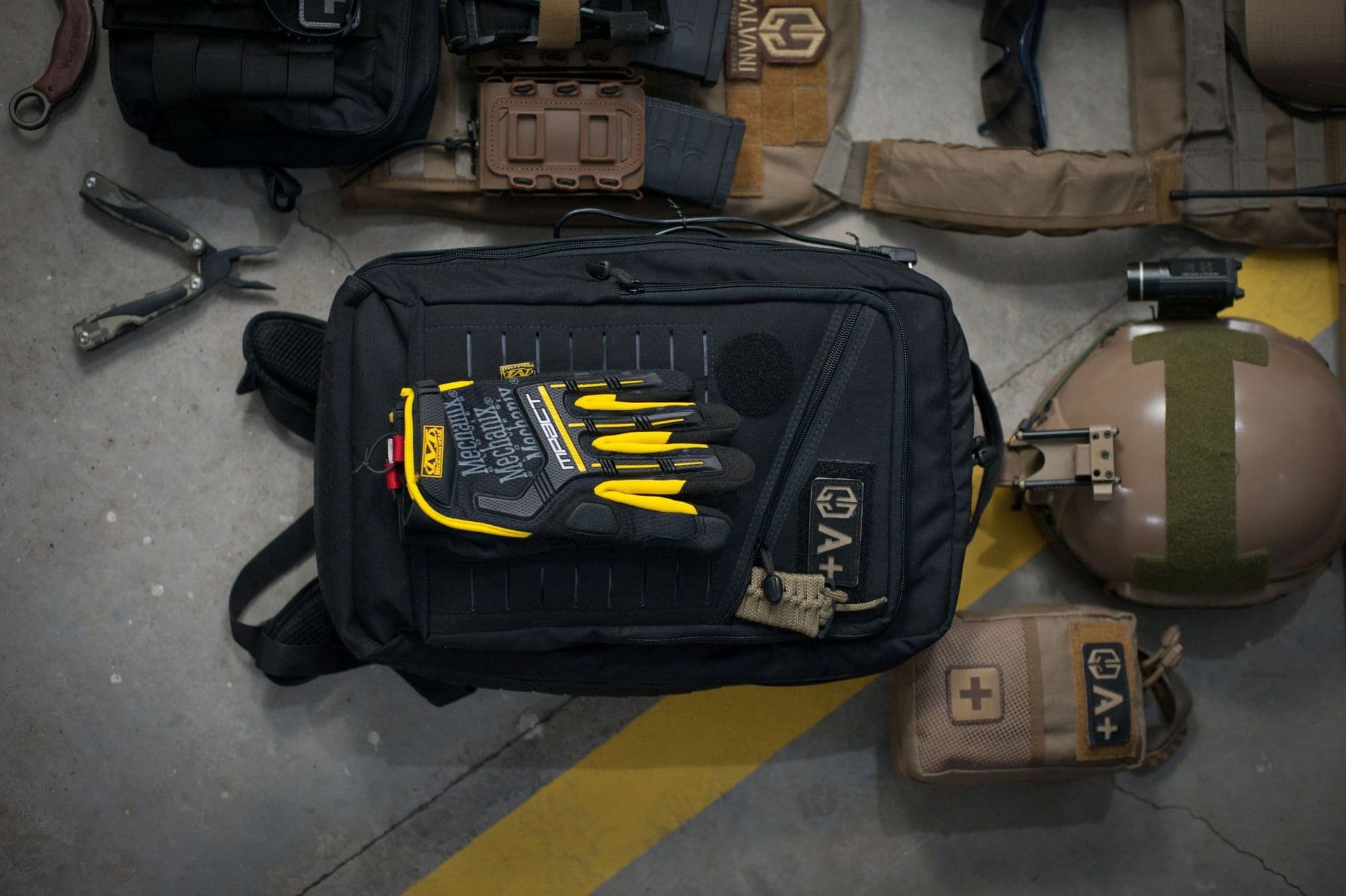
You'll use this every time you shoot. Rated shooting glasses, electronic ear pro that blocks gunshots but lets you hear people talk, gloves for hot brass and rough ground, and boots that hold your ankles.
Walker's and Howard Leight make solid budget electronic ear pro. Pick a pair you like, because later in the path a radio plugs into it.
Do This
- Get ballistic-rated shooting glasses, plus a clear pair for low light.
- Get electronic ear pro, and keep foam plugs as a backup.
- Add a pair of shooting gloves that still let you work the gun.
- Wear boots or shoes you can run and kneel in.
Carry a Tourniquet From Day One
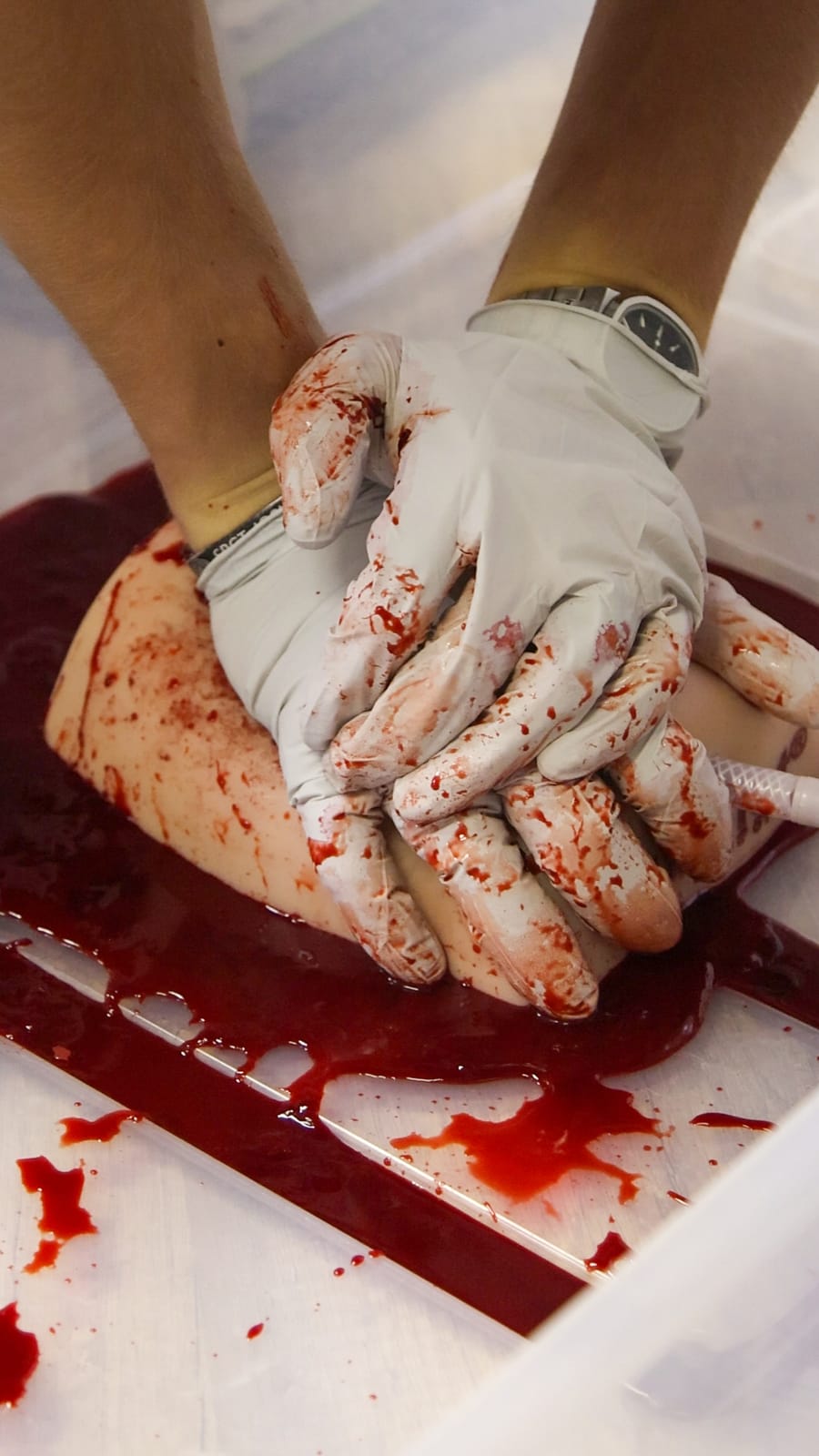
You don't need a full medical kit yet. You need a tourniquet in your pocket or range bag and the know-how to use it. The full IFAK joins your gun belt in Tier 3.
Buy tourniquets from reputable sellers. Counterfeits are common online and fail when they're needed.
Do This
- Get a real tourniquet (CAT or SOF-T style) from a reputable seller.
- Keep it on you or in your range bag every time you shoot.
- Practice putting it on yourself, one-handed, until it is quick.
Learn It Once, Properly
A Stop the Bleed class takes a few hours and teaches you to use a tourniquet fast, on yourself and on someone else.
See where to train →Store It Securely
Your guns shouldn't sit out in the open. You don't need a $1,000 safe on day one: a locking steel gun cabinet around $100 and a small quick-access box for the home defense pistol are a solid start. Upgrade to a real safe later, as your collection grows.
Do This
- Get a locking cabinet or safe that fits your rifle with its optic on.
- Add a quick-access box for a home defense pistol.
- Bolt the cabinet or safe to the floor or wall if you can.
- Keep keys and codes away from kids and guests.
It's tempting to skip ahead to plate carriers and night vision. Don't. A rifle and pistol you can run, protection you wear every time, a tourniquet you know how to use, and safe storage are the foundation everything else sits on.
Common Questions
What should I buy first for a tactical loadout?
A reliable rifle and pistol, set up with a light, sling, and optic, plus eye and ear protection, a tourniquet, and a locking place to store them. Everything else on the path (mags, a gun belt, bags, a radio, a chest rig or plate carrier) builds on that.
What is a good first AR-15?
One from a mainstream maker that runs reliably with common mags and ammo. As a reference point, I'd point a budget buyer toward PSA, and someone spending more toward BCM. There are plenty of other good options, so use those as a starting point, then prove whatever you buy with a few hundred rounds.
Do I need a gun safe right away?
You need secure storage right away, but not necessarily an expensive safe. A locking steel gun cabinet around $100 and a quick-access box for a home defense pistol are a solid start. Upgrade to a real safe as your collection grows.
Have Something to Add?
If you're a client or instructor with resources worth sharing here, reach out.
Get in Touch